Sıvı yükler için yanlış römork seçimi, sızıntılara, boşaltma işlemlerinin yavaşlamasına, yüksek onarım maliyetlerine ve güvenlik risklerine yol açabilir. Filonuzun yakıt, yemeklik yağ, kimyasallar veya su taşımak zorunda olması durumunda, çözüm güvenilir bir üreticiden sağlam yapılı bir tank römorku seçmektir.
Sıvı tanker römorku, petrol, gıda sınıfı sıvılar, gübre, asfalt, ham petrol, içme suyu ve endüstriyel sıvılar gibi dökme sıvıları taşımak üzere tasarlanmış, sızdırmaz bir tank gövdesine sahip bir yarı römorktur. Uygun tanker römorkunun seçimi, yük türüne, tank malzemesine, kapasiteye, bölme düzenine, yükleme ve boşaltma yöntemine, yol koşullarına ve yerel mevzuat gerekliliklerine bağlıdır.
Makale Taslağı
- Sıvı tanker römorku nedir?
- Bir tanker römorku ne taşıyabilir?
- Yükünüz için doğru tanker römorkunu nasıl seçersiniz?
- Paslanmaz çelik, alüminyum, karbon çeliği veya FRP'den hangisini seçmelisiniz?
- Gıda sınıfı tanklı treylerler neden hijyenik tasarıma sahip olmalıdır?
- Petrol ve asfalt tanker römorkları birbirinden nasıl farklıdır?
- Hangi römork özellikleri güvenlik, yük kapasitesi ve dayanıklılığı etkiler?
- Satılık yeni mi yoksa ikinci el mi tanker römorku satın almalısınız?
- Alıcılar, Tremcar ve Wabash Food Grade örneklerinden ne gibi dersler çıkarabilir?
- OEM/ODM tanker projeleri için neden Çinli bir treyler üreticisiyle çalışmalı?
- Sık Sorulan Sorular
- Önemli noktalar
Sıvı Tankeri Römorku Nedir?
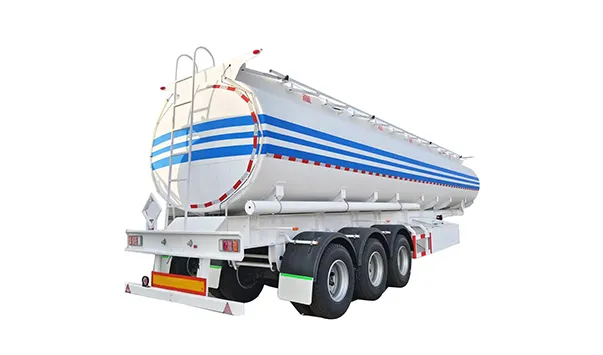
A sıvı tanker römorku dökme sıvıların taşınmasında kullanılan, yuvarlak veya oval bir depoya sahip bir karayolu nakliye römorkudur. Düz tabanlı römorklardan veya kuru dökme yük römorklarından farklı olarak, ürün bir platformun üzerine veya bir kutunun içine yerleştirilmez. Ürün, sızdırmaz bir depo içinde depolanır ve yerçekimi, pompa, basınç veya diğer boşaltma sistemleri aracılığıyla taşınır.
Çoğu tanklı römork tasarımında tank gövdesi, şasi, erişim kapağı, boşaltma vanası, boru hattı, merdiven, yürüme yolu, süspansiyon, destek ayakları ve güvenlik parçaları bulunur. Bazı tasarımlarda tek bölme kullanılır. Diğerlerinde ise birden fazla bölme bulunur; böylece araç sahibi tek seferde birden fazla sıvı türünü taşıyabilir.
Çin’de faaliyet gösteren profesyonel bir yarı römork üreticisi olarak, yakıt taşımacılığı, yemeklik yağ, su, kimyasal sıvılar, asfalt, gübre ve diğer dökme mal taşımacılığı işleri için tanker römork çözümleri üretiyoruz. Küresel alıcılar için sağlam yapı, kusursuz kaynak, pratik kullanım ve OEM/ODM özelleştirme hizmetlerine odaklanıyoruz.

Sıvı tanker römorku
Bir tanker römorku ne taşıyabilir?
A tanklı römork Birçok sıvı ürünü taşıyabilir. Doğru tasarım, taşınacak yük türüne bağlıdır. Petrol için güvenlik kontrolleri ve uygun vanalar gereklidir. Gıda sınıfı sıvılar için temiz bir iç yüzey gerekir. Asfalt için yalıtım ve ısıtma gerekebilir. Gübre için korozyona dayanıklı malzeme gerekebilir. İçme suyu için güvenli ve temiz bir tank gerekir.
Yaygın kargo türleri şunlardır:
| Kargo Tipi |
Yaygın Tank Malzemeleri |
Alıcıların Başlıca Endişesi |
| Benzin ve dizel |
Karbon çeliği veya alüminyum |
Güvenlik, sızdırmazlık ve antistatik parçalar |
| Yemeklik yağ ve içecek |
Paslanmaz çelik |
Temiz yüzey ve hijyenik tasarım |
| Asfalt |
Karbon çeliği veya paslanmaz çelik |
Isı tutma ve boşalma hızı |
| Sıvı gübre |
Paslanmaz çelik veya FRP |
Korozyon direnci |
| İçme suyu |
Paslanmaz çelik |
Tankı ve emniyet vanalarını temizleyin |
| Ham petrol |
Karbonlu çelik |
Güçlü ve güvenilir boşaltma |
İyi bir tanker sadece “sıvı taşımakla” yetinmemelidir. Yükü korumalı, kayıpları azaltmalı ve filonun yükü daha hızlı boşaltmasına yardımcı olmalıdır. Günlük operasyonlar açısından bu çok önemlidir.
Yükünüz İçin Doğru Tanklı Tırı Nasıl Seçersiniz?
Doğru tanklı römork seçimi, basit bir soruyla başlar: Ne taşıyorsunuz? Dökme sıvılar farklı özellikler gösterir. Bazıları su gibi incedir. Bazıları şurup gibi yoğundur. Bazıları ısıya ihtiyaç duyar. Bazıları temiz kalmalıdır. Bazıları ise tehlikeli olabilir.
Satın almadan önce beş önemli noktayı kontrol etmelisiniz:
- Yük türü
- Tank malzemesi
- Hacim ve yük kapasitesi
- Bölme tasarımı
- Yükleme ve boşaltma yöntemi
Örneğin, 6500 galonluk bir tanker bazı yerel yakıt nakliye güzergâhları için uygun olabilir, ancak her ülkeye, yola veya yasal ağırlık sınırına uymayabilir. Daha büyük bir tankın hacmi her zaman daha fazla kâr anlamına gelmez. Yük kapasitesi yol kurallarını veya kamyonun gücünü aşarsa, römork bir sorun haline gelir.
Pratik bir tedarikçi, üretimden önce nakliye ihtiyaçlarınızı teyit edecektir. Genellikle alıcılara yük yoğunluğu, güzergâh uzunluğu, yol durumu, çekici modeli, aks gereksinimi, boşaltma yeri ve yerel kurallar hakkında sorular sorarız. Bu, daha güvenli ve daha kullanışlı bir römork üretmemize yardımcı olur.
Paslanmaz çelik, alüminyum, karbon çeliği mi yoksa FRP mi seçmelisiniz?
Malzeme seçimi en önemli kararlardan biridir. Paslanmaz çelik römorklar genellikle gıda sınıfı sıvılar, temiz su, kimyasallar ve bazı aşındırıcı yükler için kullanılır. Paslanmaz çelik, pürüzsüz bir yüzey, iyi korozyon direnci ve uzun bir hizmet ömrü sunar.
Alüminyum, bazı durumlarda boş ağırlığı azaltabilir ve yük kapasitesini artırabilir petrol ve yakıt taşıma uygulamaları. Karbon çeliği sağlamdır ve yakıt, ham petrol ve asfalt taşımacılığında yaygın olarak kullanılır. FRP, korozyon direncinin en önemli öncelik olduğu belirli kimyasal veya gübre taşımacılığı uygulamalarında kullanılabilir.
İşte basit bir kılavuz:
| Malzeme |
İçin En İyisi |
En Önemli Avantaj |
| Paslanmaz çelik |
Gıda, su, kimyasal sıvı |
Temiz, korozyona dayanıklı, uzun ömürlü |
| Alüminyum |
Yakıt ve hafif sıvı taşımacılığı |
Daha düşük ağırlık |
| Karbonlu çelik |
Petrol, asfalt, ham petrol |
Güçlü ve uygun maliyetli |
| FRP |
Aşındırıcı sıvı |
Yüksek korozyon direnci |
En uygun malzeme, yük türüne, bütçeye, güzergâha ve yerel mevzuata bağlıdır. Tankın çatlaması, paslanması veya temizlenmesi zor hale gelmesi durumunda düşük fiyatın bir faydası olmaz.

Gıda Sınıfı Tanklı Römorklarda Neden Hijyenik Tasarım Gereklidir?
Gıda sınıfı tanklı treylerler, yükü temiz tutmalıdır. Bu treylerler süt, yemeklik yağ, meyve suyu, şurup, şarap, içme suyu veya insan tüketimine yönelik diğer dökme sıvıları taşıyabilir. Bu nedenle, iç yüzeyleri pürüzsüz, temizlenmesi kolay ve tekrar tekrar kullanıma uygun olmalıdır.
Gıda sınıfı bir tankta genellikle paslanmaz çelik, hijyenik vanalar, temiz boru hatları, kontrol kapakları, uygun sızdırmazlık ve ürün kalıntısını azaltan bir tasarım gereklidir. Bazı pazarlarda gıda ve süt ürünleri ekipmanları için 3a / 3-A hijyen standartları da kullanılmaktadır. Alıcılar, kendi ülkelerinde geçerli olan gerçek standardı her zaman teyit etmelidir.
Gıda sınıfı römorklar, petrol tankerleriyle aynı değildir. Karışık kullanım, kirlenme riskine yol açabilir. İşletmenizde yenilebilir sıvılar işleniyorsa, bunu tedarikçinize açıkça belirtin. Römork, baştan itibaren temiz nakliye için tasarlanmış olmalıdır.
Petrol ve asfalt tanker römorkları arasında ne gibi farklar vardır?
Petrol tanker römorkları, dizel, benzin ve diğer rafine sıvılar gibi yakıt ürünleri için üretilir. Bu römorklarda genellikle bölmeler, antistatik parçalar, acil durum vanaları, menholler ve güvenlik sistemleri bulunur. Bazı pazarlarda, yük ve ülkeye bağlı olarak, belirli yük tanklı motorlu taşıt uygulamaları için DOT-407 uyumlu tasarımlar gerekebilir.
Asfalt tanklı römorklar farklıdır. Asfalt sıcak ve yoğundur. Römorkun, tankı yalıtması, ısıyı daha uzun süre muhafaza etmesi ve sorunsuz boşaltma işlemini desteklemesi gerekebilir. Bazı asfalt tankları, şantiyedeki çalışmayı kolaylaştırmak için ısıtma sistemleri veya özel boşaltma düzenleri kullanır.
Alıcı, tüm işler için tek bir genel amaçlı tanker kullanmamalıdır. Yakıt, asfalt, gıda amaçlı sıvılar ve kimyasal sıvılar, her biri farklı bir yapı gerektirir. İşte bu nedenle üretim öncesinde net bir iletişim kurulması büyük önem taşır.
Hangi treyler özellikleri güvenlik, taşıma kapasitesi ve dayanıklılığı etkiler?
Küçük römork özellikleri, kullanıcı deneyiminin tamamını değiştirebilir. İyi tasarlanmış bir tanker römorkunun değeri, ayrıntılarda yatmaktadır: sağlam şasi, kaliteli kaynaklar, güvenilir vanalar, güvenli merdivenler, temiz boru hatları ve kolay bakım.
Önemli özellikler şunlardır:
| Özellik |
Neden Önemlidir |
| Bölme tasarımı |
Taşıma sırasında sıvının sallanmasını azaltmaya yardımcı olur |
| Bölme düzeni |
Birden fazla ürünü destekler veya daha güvenli yükleme sağlar |
| Valf kalitesi |
Sızdırmazlığı ve boşaltma hızını etkiler |
| Kanalizasyon kapağı tasarımı |
Denetim ve temizliği destekler |
| Süspansiyon |
Yol tutuşunu artırır |
| Tank kalınlığı |
Mukavemet ve dayanıklılığı etkiler |
| Boya veya yüzey işleme |
Yapıyı korumaya yardımcı olur |
Sıvı, tankın içinde hareket eder. Bu harekete “slosh” denir. Bu durum, frenleme ve viraj alma sırasında sorunlara yol açabilir. Profesyonel bir tasarımda, bu riski azaltmak ve yol güvenliğini artırmak amacıyla bölme düzenleri kullanılır.
Küresel filo işletmeleri için dayanıklılık, daha düşük onarım maliyetleri ve daha az arıza anlamına gelir. Aynı zamanda daha yüksek ikinci el değeri ve daha yüksek günlük kâr anlamına da gelir.
Satılık Tank Römorkları İçin Yeni mi, İkinci El mi Satın Almalısınız?
Birçok alıcı, satılık tanker römorklarını araştırır ve yeni ya da ikinci el araçları karşılaştırır. İkinci el bir tanker ilk başta maliyet tasarrufu sağlayabilir, ancak gizli riskler barındırabilir. Tankerin geçmişini, daha önce taşınan yükleri, korozyon durumunu, kaynakların durumunu, vanaların durumunu, belgelerini ve yasal uygunluğunu kontrol etmeniz gerekir.
Yeni bir tanker römorku size daha fazla kontrol sağlar. Malzemeyi, aks düzenini, tank hacmini, bölme sayısını, boru sistemini, vana markasını, boya rengini ve yerel pazara uygun konfigürasyonu seçebilirsiniz. Ayrıca, daha düzenli belgeler ve uzun vadeli yedek parça planlamasında kolaylık elde edersiniz.
İşte basit bir karşılaştırma:
| Satın Alma Seçeneği |
Avantaj |
Risk |
| Kullanılmış tank |
Daha düşük ilk maliyet |
Bilinen olmayan geçmiş, onarım riski |
| Yeni tank |
Özelleştirilebilir ve düzenli kayıtlar |
Daha yüksek ilk maliyet |
| OEM / ODM yeni depo |
Pazarınız için tasarlandı |
Net teknik özellikler gereklidir |
Bayiler, ithalatçılar ve filo sahipleri için, özellikle güzergâh, yük ve mevzuat net olduğunda, yeni ve özelleştirilmiş araçlar genellikle uzun vadede daha fazla değer sunar.
Alıcılar, Tremcar ve Wabash’ın gıda sınıfı örneklerinden ne öğrenebilir?
Kuzey Amerika’da, Tremcar ve Wabash Food Grade gibi markalar, alıcılara olgun tanker pazarlarının ürün değerini nasıl sunduğunu anlamalarına yardımcı oluyor. Sadece fiyattan bahsetmiyorlar. Güvenlik, malzeme, yalıtım, temizlik, taşıma kapasitesi ve kullanım alanları gibi konulara da değiniyorlar.
Bu, uluslararası alıcılar için faydalıdır. Tedarikçileri karşılaştırırken sadece “Römorkun fiyatı ne kadar?” diye sormayın. Şunları da sorun: “Hangi sıvıları taşıyabilir? Hangi malzemeden yapılmıştır? Boşaltma işlemi nasıl yapılır? Hijyenik mi? Temizlenmesi kolay mı? Hangi yedek parçaları temin edebilirim?”
Güçlü bir Çinli tanker fabrikası bu soruları net bir şekilde yanıtlamalıdır. Yurtdışı müşterilerimize destek verirken de aynı “önce alıcı” yaklaşımını benimsiyoruz. Yük, kamyon, güzergâh ve yerel pazara uygun römorku seçmenize yardımcı oluyoruz.
OEM / ODM tanker projeleri için neden Çinli bir treyler üreticisiyle çalışmalı?
Çin, yarı römorklar, tank parçaları, akslar, süspansiyonlar, valfler, iniş ayakları, lastikler ve ihracat nakliyesi alanlarında güçlü bir tedarik zincirine sahiptir. Bu durum, uluslararası alıcılara fabrika çıkış fiyatları, esnek özelleştirme seçenekleri ve istikrarlı teslimat imkânı sunmayı mümkün kılmaktadır.
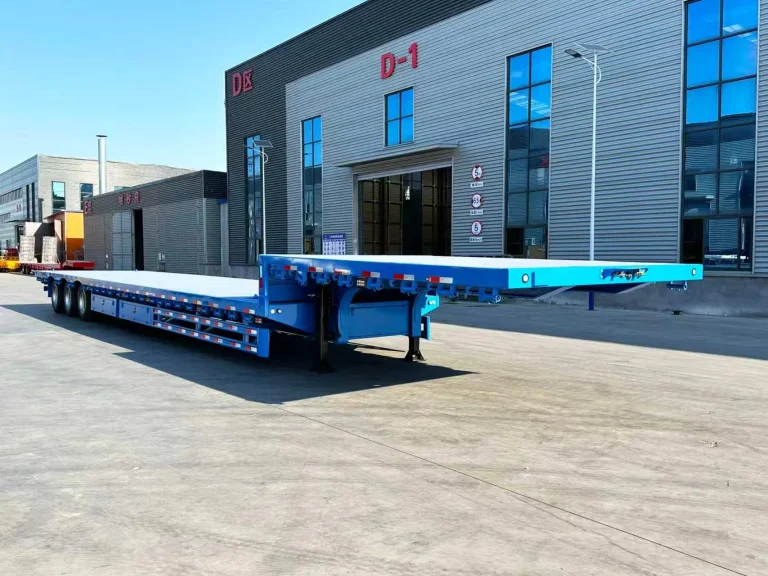
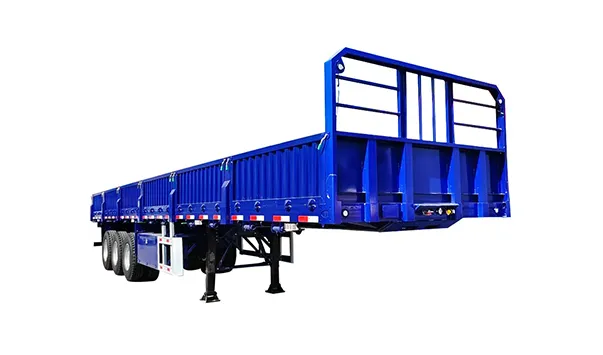
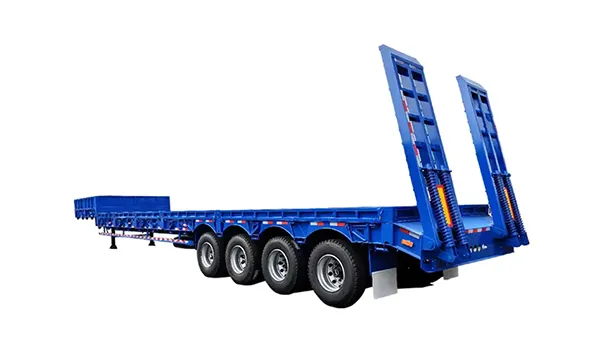
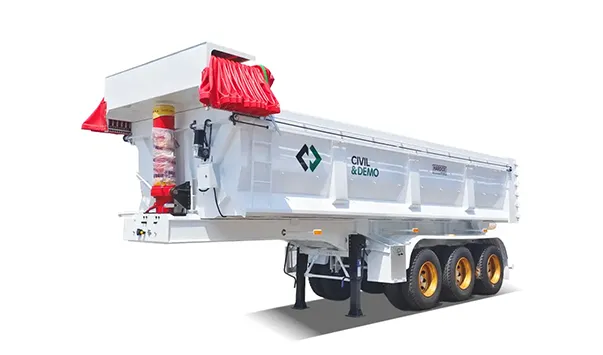
Profesyonel bir treyler üreticisi olarak, petrol, yemeklik yağ, su, gübre, asfalt ve diğer dökme sıvılar için OEM / ODM tanker treyler çözümlerinde uzmanlaşmış bulunmaktayız. Ayrıca düz yataklı yarı römorklar, iskelet konteyner römorkları, yan perdeli römorklar, yan duvarlı/çitli römorklar, alçak yataklı römorklar, lowboy römorklar, çıkarılabilir gooseneck römorklar, dökme çimento tankerleri, damperli yarı römorklar, araba taşıyıcıları, kamyonlar ve römork parçaları da üretiyoruz.
Hizmetimiz şunları desteklemektedir:
- Filo sahipleri
- Yakıt ve kimyasal madde nakliye şirketleri
- Gıda ve sıvı lojistik şirketleri
- Treyler dağıtıcıları
- Kamyon ve römork satıcıları
- İnşaat müteahhitleri
- Madencilik şirketleri
- Altyapı projesi alıcıları
- Liman ve intermodal operatörleri
Güçlü yük taşıyıcı yapı, güvenilir kaynak, kalite kontrol, özelleştirme, istikrarlı ihracat teslimatı ve uzun vadeli işbirliğine odaklanıyoruz.

OEM / ODM Özelleştirmesi, Tanker Römorkunun Değerini Nasıl Artırır?
Özelleştirme, sadece bir logo eklemekten ibaret değildir. Bu, treylerin alıcının gerçek işine uygun hale gelmesine yardımcı olur. Çöl bölgesinde kullanılan bir tanker, yağışlı bir kıyı bölgesinde kullanılan bir tankerden farklı boya, lastik ve süspansiyona ihtiyaç duyabilir. Bir yakıt tankeri, birkaç bölmeye ihtiyaç duyabilir. Bir gıda tankeri ise paslanmaz çelik iç kaplamaya ve temiz boşaltma sistemine ihtiyaç duyabilir.
Yaygın seçenekler arasında şunlar yer alır:
- Tank malzemesi ve kalınlığı
- Tank hacmi
- Bölme sayısı
- Aks numarası ve aks markası
- Süspansiyon türü
- Vana ve boru hattı yerleşim şeması
- Pompa sistemi
- Kanalizasyon kapağı ve yaya geçidi tasarımı
- Resim ve marka logosu
- Alet kutuları ve yedek lastik tutucular
- Yerel belge desteği
Bayiler için özelleştirme, pazarda bir kimlik oluşturmaya yardımcı olur. Filo işletmecileri için ise operasyonel verimliliği artırır. Proje alıcıları için ise riski azaltır. Uygun bir römork, ucuz ama uygun olmayan üç römorktan daha iyi iş görebilir.
Vaka Çalışması: Bölgesel Bir Yakıt Filosu İçin Tanker Römorklarının Seçimi
Yol kalitesinin değişken olduğu sıcak bir bölgede dağıtım güzergâhlarını genişletmeyi planlayan bir yakıt dağıtım şirketini düşünün. Alıcı, benzin istasyonlarına, şantiyelere ve uzak proje alanlarına dizel ve benzin taşımak zorundadır.
Pratik bir teknik şartname, karbon çeliği veya alüminyumdan yapılmış bir tank, birkaç bölme, güvenilir acil durum vanaları, sağlam iniş takımı, antistatik güvenlik parçaları ve yol koşullarına uygun süspansiyonu içerebilir. Alıcı ayrıca özel bir boyama düzeni ve yedek parça paketi talep edebilir.
Bu plan, rastgele bir hisse senedi römorku satın almaktan daha iyidir. Neden mi? Çünkü yakıt dağıtımı için güvenlik, rota planlaması, boşaltma hızı ve kolay onarım gereklidir. İşe uygun bir römork, şirketin daha güvenli bir şekilde dağıtım yapmasına ve zamanla daha fazla kazanç elde etmesine yardımcı olur.
Sık Sorulan Sorular
Sıvı tanklı treyler ne amaçla kullanılır?
A sıvı tanklı treyler petrol, yemeklik yağ, su, gübre, asfalt, ham petrol, kimyasallar ve diğer sıvılar gibi dökme sıvıların taşınmasında kullanılır. Tankın tasarımı, sıvının türüne ve yerel nakliye kurallarına bağlıdır.
Tanker römorku için en uygun malzeme hangisidir?
Paslanmaz çelik, gıda sınıfı uygulamalar, temiz su ve bazı kimyasal sıvılar için en uygun seçenektir. Alüminyum, daha hafif yakıt taşımacılığı için kullanışlıdır. Karbon çeliği, petrol ve asfalt uygulamalarında yaygın olarak kullanılır. FRP, bazı aşındırıcı sıvı uygulamaları için uygun olabilir.
Bir tanker römorku hem yakıt hem de sıvı gıda taşıyabilir mi?
Hayır, bu tavsiye edilmez. Gıda sınıfı yükler için temiz ve hijyenik bir tank gereklidir. Yakıt, tankı kirletebilir ve gıda kullanımı için güvenli olmamasına neden olabilir. Her zaman yük kategorisine göre bir römork seçin.
Sıvı tankerleri ile pnömatik tank römorkları arasındaki fark nedir?
Sıvı tankerleri, yakıt, su, yağ ve asfalt gibi sıvıları taşır. Pnömatik tank römorkları genellikle çimento, un, kireç veya plastik peletler gibi kuru dökme tozları taşır ve hava basıncıyla boşaltılır.
Yeni mi yoksa ikinci el bir tanker mi almalıyım?
Kullanılmış bir tanker daha ucuz olabilir, ancak gizli sorunlar barındırabilir. Yeni bir tanker römorku, malzeme, hacim, bölme düzeni, güvenlik parçaları ve belgeler üzerinde daha iyi kontrol sağlar. Uzun vadeli filo kullanımında, yeni OEM/ODM üniteleri genellikle daha iyi bir değer sunar.
Yerel pazarım için bir tanker römorkunu özelleştirebilir misiniz?
Evet. Tankın malzemesini, boyutunu, aks düzenini, süspansiyonunu, vanalarını, boru hatlarını, boyasını, logosunu ve diğer ayrıntıları, yük türüne, yol koşullarına, kamyon modeline ve proje gereksinimlerine göre özelleştirebiliriz.
Unutulmaması Gereken Önemli Noktalar
- Bir sıvı tanker römorku, yük, yol, kamyon ve yasal gerekliliklere uygun olmalıdır.
- Paslanmaz çelik, alüminyum, karbon çeliği ve FRP’nin her biri farklı uygulama alanlarına hizmet eder.
- Gıda sınıfı tanklı römorklar, temiz ve hijyenik bir tasarıma ve uygun malzeme seçimine ihtiyaç duyar.
- Petrol ve asfalt tankerleri, farklı güvenlik ve boşaltma sistemlerine ihtiyaç duyar.
- Sağlam bölme, valf, bölme ve şasi tasarımı, güvenliği ve dayanıklılığı artırır.
- İkinci el tank seçenekleri ilk etapta maliyet tasarrufu sağlayabilir, ancak yeni ve özel olarak tasarlanmış üniteler uzun vadeli riski azaltır.
- Güvenilir bir Çinli römork üreticisi, OEM/ODM tasarım, fabrikadan doğrudan tedarik, ihracat hizmeti, yedek parça temini ve uzun vadeli işbirliği konularında destek sağlayabilir.



 22 Haziran 2026