2 Axle vs 3 Axle Trailer: Which Setup Fits Your Work?
10 September 2026
CHENLU Mühendislik Ekibi | Trailer Engineering and Customization Team | Updated September 10, 2026
A 2 axle vs 3 axle trailer decision should begin with legal axle loads, cargo mass, tractor compatibility and the route. Two axles may reduce tire count and help maneuvering, while three axles can distribute a heavier load across more wheel positions. Neither layout is automatically the better choice.
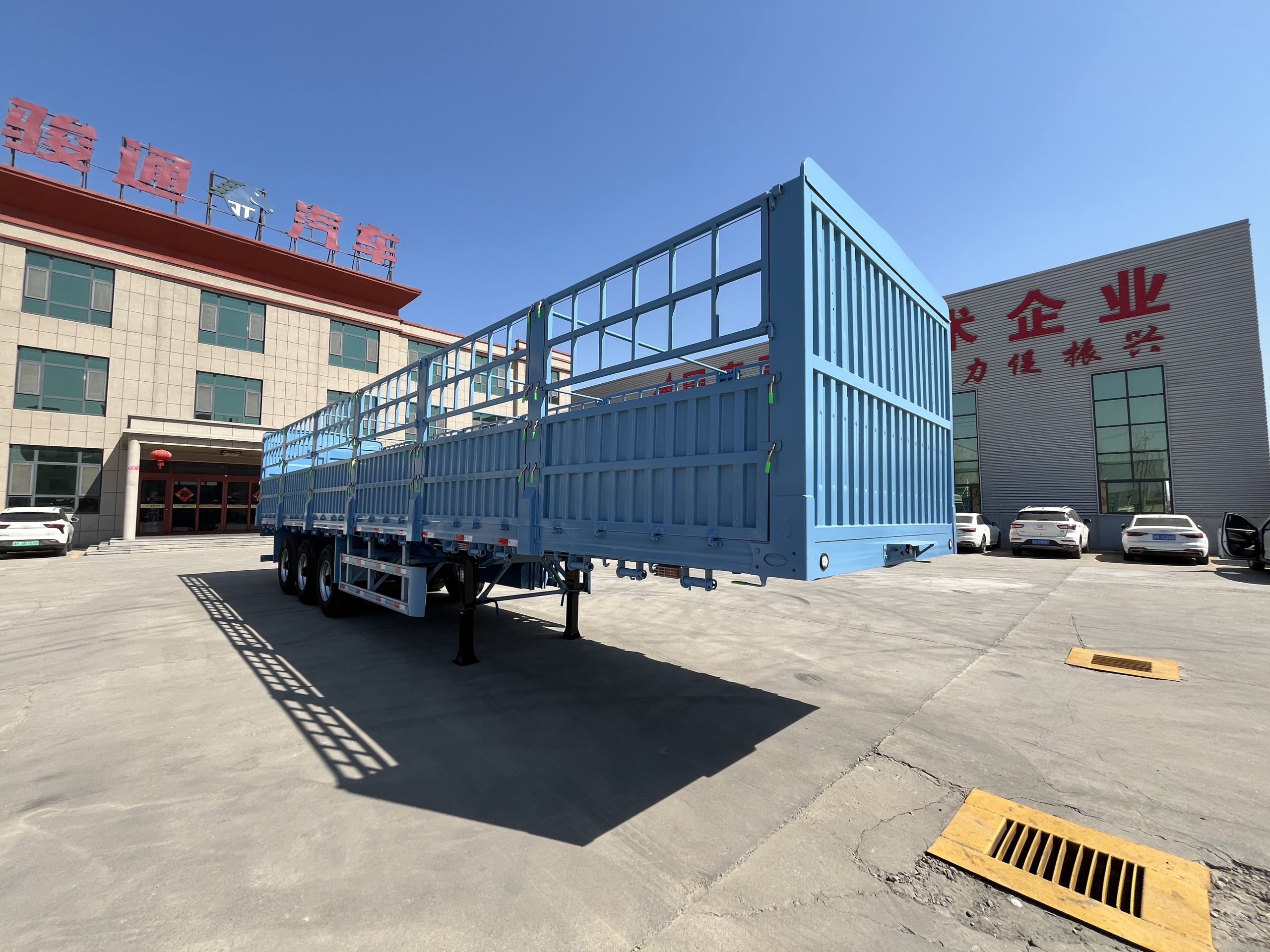
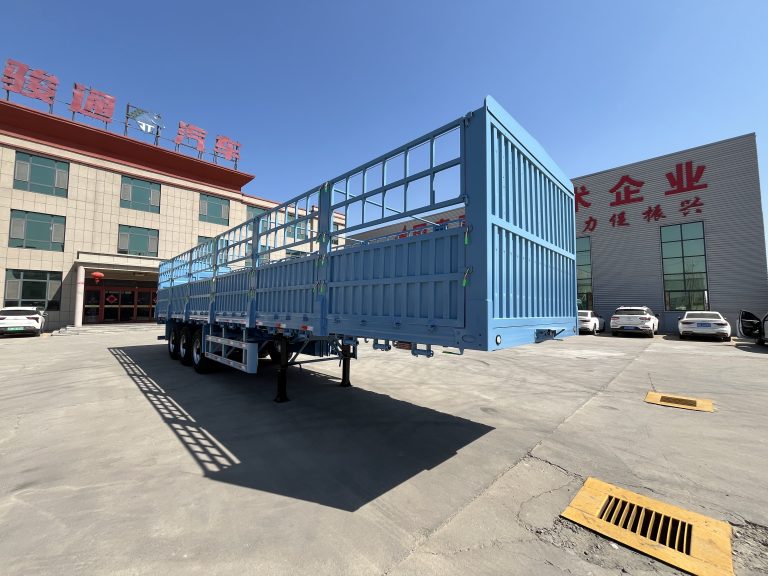
A three-axle fence semi trailer from the CHENLU media library. Axle count must be evaluated together with cargo, tractor and route limits.
2 axle vs 3 axle trailer: the practical difference
The visible difference is one axle group position, but the purchasing effect is broader. Axle count changes the number of tires and brake assemblies, the way load is shared, turning behavior, tare weight and maintenance workload. The correct decision therefore depends on the complete vehicle combination rather than the trailer alone.
Decision factor
2-axle trailer
3-axle trailer
Load distribution
Load is carried across fewer axle positions; correct center-of-gravity placement is critical
Load can be distributed across an additional axle, subject to axle-group and gross-mass rules
Tare and components
Usually fewer tires, hubs, brakes and suspension components
Additional axle hardware adds component count and trailer tare
Maneuvering
May suit sites where tight turning and lower component drag matter
Requires closer review of turning space, tire scrub and axle steering or lifting options if offered
Maintenance burden
Fewer wheel-end components to inspect and replace
More tires and brake assemblies require a larger inspection and replacement budget
Typical buying reason
Moderate payload, container chassis or route-specific configuration
Higher load-distribution demand or a market where tri-axle layouts are commonly approved
Approval question
Can two axles meet every axle, gross-mass and stability requirement?
Does the third axle create usable legal payload on the intended route?
When a 2-axle semi trailer makes sense
A two-axle layout can be appropriate when the planned cargo and trailer structure remain within the destination market’s axle and gross-combination limits. CHENLU publicly shows a two-axle skeleton container trailer intended for 20- to 40-foot ISO containers with twist locks. That is evidence of an available configuration, not a universal payload rating.
The strongest argument for two axles is not simply a lower purchase price. It is a smaller set of running-gear components: fewer tires, wheel ends, brake units and suspension positions need inspection. This can reduce parts inventory and routine service work. The tradeoff is less flexibility for distributing a concentrated load, so cargo position and kingpin-to-axle geometry need careful checking.
For container work, compare the cargo plan with the container semi trailer selection guide. Container length alone does not decide axle count; actual cargo mass, tractor specification and local rules still control the final layout.
Why buyers choose a 3-axle trailer
A three-axle group provides another load-carrying position. This may help distribute a heavier or less compact cargo, but the third axle does not automatically increase the legal payload by a fixed amount. Axle-group limits, tire ratings, suspension capacity, frame design, braking requirements and gross-combination mass all remain binding.
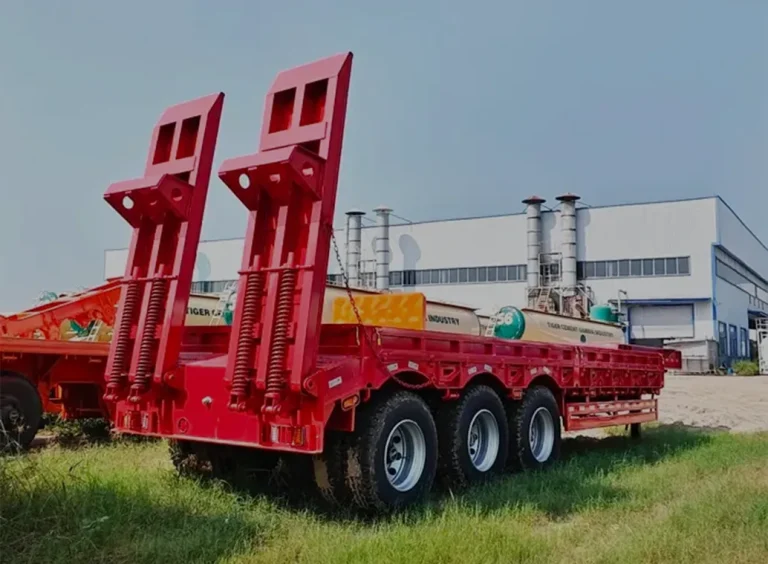
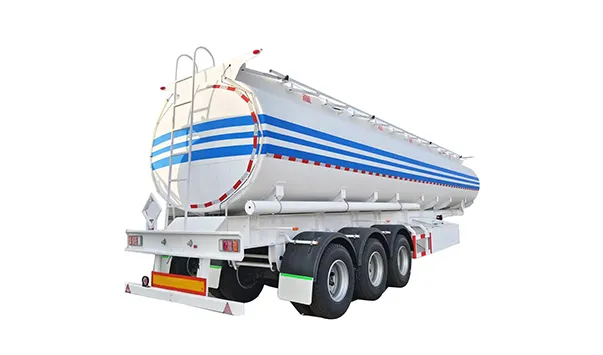
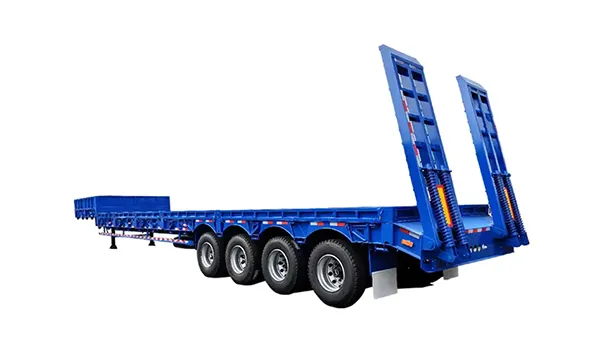
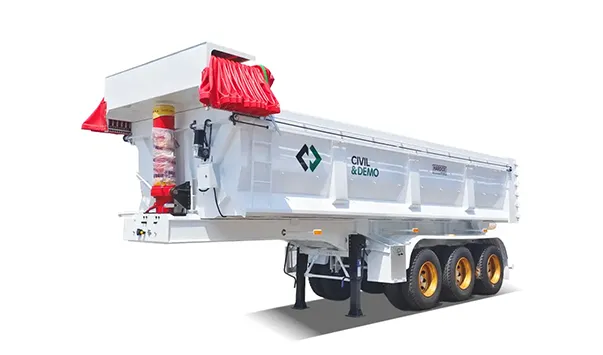
CHENLU’s public product directory includes three-axle configurations across flatbed, fence, sidewall, tanker, lowbed and dump trailer lines. The range shows that a tri-axle arrangement can support several cargo types, yet each application needs a different frame, deck, tank or body specification. A tri-axle fuel tanker and a tri-axle lowbed cannot be treated as interchangeable simply because they share an axle count.
The downside is measurable in component count. Compared with a two-axle layout using the same wheel arrangement per axle, a three-axle trailer adds one axle’s tires, hubs, brakes, bearings and suspension service points. Tight turns can also increase tire scrub, depending on geometry, load and surface conditions.
Payload planning comes before axle count
Define the cargo: record maximum mass, dimensions, center of gravity, loading method and whether the load is concentrated or distributed.
Confirm the tractor: collect fifth-wheel height, coupling position, drive-axle arrangement and permitted combination mass.
Map the route: identify national and local axle limits, bridge or road restrictions, turning space, gradients and surface condition.
Estimate complete tare: include frame, body, axles, suspension, tires, accessories and any hydraulic or loading equipment.
Calculate axle reactions: check the kingpin, tractor axles and every trailer axle group for the worst cargo position.
Verify components and approval: match tire, brake, suspension and coupling ratings to the required approval route.
Şu semi trailer dimensions guide helps structure the dimensional inputs before an axle-load calculation. Dimensions and axle spacing must be assessed together because moving an axle group changes both load reactions and turning behavior.
Road conditions can reverse the decision
A paved highway operation and a confined mining or construction site create different priorities. A buyer may value load distribution on one route but need easier turning and fewer tire scrub problems on another. Soft ground also requires attention to tire contact, traction and the risk of sinking; adding an axle is not a substitute for checking surface bearing conditions and the complete wheel-and-tire arrangement.
A common mistake is to copy the axle layout of a competitor’s trailer without matching its cargo position, wheelbase, tractor or operating market. Another is to assume that three axles always mean higher legal payload. If the gross-combination limit or a bridge restriction is reached first, the added tare of the third axle may provide little or no usable payload benefit.
Maintenance and operating cost comparison
Prepare the cost comparison using actual component quantities rather than a general claim that one layout is cheaper. Count tires, brake linings, bearings, hubs, suspension parts and labor intervals. Then add the operational effects: empty running, turning frequency, road surface, annual distance and expected tire scrub.
A two-axle trailer normally has fewer running-gear items to maintain. A three-axle trailer may justify that extra service burden when the additional axle is required for compliant load distribution. Fleet teams should apply the same inspection standard to either setup; the semi trailer inspection checklist provides a repeatable pre-trip structure.
Compliance questions for an export order
Şu UNECE Dünya Araç Yönetmeliklerinin Uyumlaştırılması Forumu covers international vehicle requirements involving systems such as braking, lighting, tires and coupling devices. The exact rules depend on the destination, product, component and approval route. Buyers should not assume that a layout accepted in one country can be registered unchanged in another.
Ask the local authority or homologation partner to confirm permitted axle-group mass, gross mass, dimensions, braking configuration, tire requirements and coupling rules before production drawings are frozen. Manufacturing and export documentation can then be prepared for the selected model and order.
2 axle vs 3 axle trailer FAQ
Is a 3-axle trailer always able to carry more?
No. It can distribute load across more axle positions, but usable payload is limited by frame and component ratings, legal axle loads, gross-combination mass, trailer tare and route restrictions.
Does a 2-axle trailer turn more easily?
It may reduce tire scrub and component drag in some tight maneuvers, but turning performance also depends on axle spacing, wheelbase, steering geometry, tractor position, load and surface. Use the proposed drawing and site dimensions for the decision.
Which layout costs less to maintain?
A two-axle layout usually has fewer tires, brakes, hubs and suspension service points. Actual cost depends on mileage, road surface, load, tire specification and maintenance practice.
Can axle count be selected from payload alone?
No. Cargo dimensions and center of gravity, tractor layout, legal limits, road conditions, turning space, braking and registration requirements all affect the choice.
What should a buyer send for configuration?
Send cargo mass and dimensions, loading method, tractor details, destination country, route conditions, required trailer type and applicable legal limits. CHENLU can then prepare a project-specific configuration and quotation.
Turn the comparison into a workable specification
Do not order an axle count as an isolated option. Send the operating inputs through the CHENLU iletişim sayfası, then compare the two layouts using axle reactions, tare, component quantities, turning clearance and approval requirements. The selected trailer should be the one that passes all five checks for the real route.



 10 September 2026