Yanlış ekipman römorku satın almak yavaş yüklemeye, güvenli olmayan çekmeye, güverte hasarına ve boşa harcanan paraya neden olabilir. Bir mini yükleyiciyi, mini ekskavatörü veya diğer ağır ekipmanları sık sık taşıdığınızda bu durum daha da kötüleşir. Çözüm basit: Satın almadan önce treyler yapısını, taşıma kapasitesini ve işi anlayın.
Ekipman römorku, hafif kullanım amaçlı römorklarla taşınamayacak kadar ağır veya hacimli makineleri, aletleri, araçları ve şantiye yüklerini taşımak üzere tasarlanmış bir römorktur. Genellikle sıradan kullanım römorklarından daha sağlamdır; güçlendirilmiş bir şasiye, daha iyi fren seçeneklerine, daha dayanıklı akslara ve daha güvenli bağlama noktalarına sahiptir. Ekipman römorkları hakkında bilgi edinmek istiyorsanız, bu kılavuz tasarımları, yükleme yöntemlerini ve araç taşıyıcılarla ekipman römorkları arasındaki gerçek farkları karşılaştırmanıza yardımcı olacaktır.

Ana Hatlar
1. Ekipman römorku nedir ve ne için kullanılır?
2. Bir ekipman römorkunu diğer römork türlerinden ayıran nedir?
3. Ekipman römorklarının farklı türleri nelerdir?
4. Eğimli Römorklar mı, Rampalı Römorklar mı: Hangi Nakliye Aracı Daha İyi?
5. Araba Taşıyıcı ile Ekipman Römorku: Gerçek Farklar Nelerdir?
6. Ağırlık, akslar, fren sistemleri ve çekme donanımı güvenliği nasıl etkiler?
7. Ekipman römorkunda ne taşımalısınız?
8. Yükleme ve boşaltma özellikleri günlük kullanımı nasıl kolaylaştırır?
9. Bir ekipman römorkuna yatırım yapmadan önce nelere dikkat etmelisiniz?
10. İhtiyaçlarınıza Uygun Römorku Nasıl Seçersiniz?
Ekipman römorku nedir ve ne amaçla kullanılır?
Ekipman römorku, makineleri ve iş ile ilgili yükleri güvenli ve verimli bir şekilde taşımak üzere tasarlanmış bir römorktur. Günlük kullanımda, kompakt yükleyiciler, mini yükleyiciler, mini ekskavatörler, makaslı platformlar, hendek kazma makineleri, küçük traktörler, jeneratörler ve diğer ekipman ve makinelerin bir şantiyeden diğerine taşınmasına yardımcı olur. Daha hafif hizmet amaçlı modellerin aksine, ekipman römorkları daha ağır yükler ve zorlu çalışma koşulları için üretilmiştir.
Pratik bir üretim bakış açısıyla ele alındığında, ekipman römorkunda en önemli unsur kontrollü taşıma performansıdır. Römorkun şantiye makinelerini aşırı esneme, sarsılma veya dengesizlik olmadan çekebilmesi için yük platformu, şasi, süspansiyon ve aksların birbiriyle uyumlu bir şekilde çalışması gerekir. Bu nedenle, ciddi bir nakliye römorku genellikle genel yük römorklarından veya peyzaj römorklarından daha sağlam ve daha özelleştirilmiştir.
Ticari kullanımda güvenlik konusu da önemlidir. FMCSA’nın yük sabitleme kurallarına göre, yükün aracın dengesini veya manevra kabiliyetini etkileyecek kadar kaymaması için sınırlandırılması, sabitlenmesi veya emniyete alınması gerekir; bu kurallar özellikle kamuya açık yollarda kullanılan yarı römorkları ve tam römorkları kapsar. 10.000 pound veya daha ağır ağır vasıtalar ve makineler için yönetmelikler, ek hazırlık ve en az dört adet bağlama noktası kullanılmasını şart koşmaktadır.
Bir ekipman römorkunu diğer römork türlerinden ayıran nedir?
En büyük fark, yük kapasitesidir. Bir ekipman römorku, sadece hafif ev eşyalarını taşımak için değil, makine yükleri için üretilmiştir. Bu genellikle daha kalın şasi profilleri, daha sağlam akslar, daha iyi yükleme platformu desteği ve daha sağlam sabitleme donanımı anlamına gelir. İş, ağır makineler, inşaat ekipmanları veya tekrarlayan ticari kullanım içeriyorsa, römorkun düz bir yükleme platformu ve basit bir hafif hizmet aksından daha fazlasına ihtiyacı vardır.
İşin niteliğine göre römorkların yapıları farklılık gösterir. Hafif bir çok amaçlı model, çim bakım ekipmanları ve paletler için uygun olabilir. Ancak ekipman taşımaya başladığınızda tasarım öncelikleri değişir. Yükleme platformu yüksekliği, aks yerleşimi, çekme çubuğunun dayanıklılığı, çamurluk düzeni ve bağlama noktaları daha fazla önem kazanır. Amaç sadece yükü taşımak değildir. Amaç, yükü kontrollü bir şekilde taşımaktır.
Resmi sabitleme kuralları bu hususu pekiştirir. FMCSA, yük sabitleme sistemlerinin yükün sızmasını, düşmesini veya dengeyi etkileyecek şekilde kaymasını önlemesi gerektiğini ve bağlama sistemlerinin çalışma yükü sınırı ile mukavemet gerekliliklerini karşılaması gerektiğini belirtir. Bu, profesyonel kullanım amaçlı römorkların sıradan kullanım amaçlı römorklara kıyasla daha sağlam sabitleme ve bağlama özelliklerine sahip olmasının nedenlerinden biridir.
Ekipman römorklarının farklı türleri nelerdir?
Ekipman römorklarının birden fazla türü vardır ve her biri farklı bir iş için uygundur. Alıcıların en çok karşılaştırdığı ana kategoriler arasında tampon çekmeli römorklar, kaz boynu römorklar, üstü açık römorklar, alçak profilli römorklar ve eğilebilir römorklar yer alır. Bazıları kompakt makineler için daha uygundur. Bazıları ise daha uzun veya daha geniş yükler için daha uygundur. Bazıları ise dar alanlarda yükleme ve boşaltmayı kolaylaştırmak üzere tasarlanmıştır.
Tamponla çekilen ekipman römorku, küçük ölçekli müteahhitler ve karma filo sahipleri arasında yaygın olarak kullanılır. Birçok çekici araçla uyumlu olması daha kolaydır ve genellikle daha hafif ticari kullanımlara uygundur. A kaz boynu tipi taşıyıcı Daha ağır yükler ve daha uzun platformlar için daha iyi denge sağlar. Deckover modelleri, tam genişlikte bir platform sunar; bu da daha geniş makineleri veya ataşmanları taşımak gerektiğinde yardımcı olur. Düşük profilli modeller, platformun yere daha yakın olması nedeniyle makineye erişimi kolaylaştırabilir.
İşte basit bir karşılaştırma tablosu:
| Römork tipi |
En uygun olduğu durumlar: |
En önemli avantajı |
Temel ödün verme durumu |
| Çekme kancası ekipman römorku |
Hafif ila orta zorluktaki işler |
Birçok çekici araçla kolayca uyumlu |
Daha ağır kurulumlara kıyasla daha düşük kapasiteye sahiptir |
| Kukulu boyun nakliyeci |
Daha ağır ticari işler |
Daha iyi denge ve istikrar |
Uyumlu bir çekici araca ihtiyaç duyar |
| Deckover römorku |
Daha geniş makineler ve ataşmanlar |
Tam genişlikte güverte |
Daha yüksek güverte yüksekliği |
| Düşük profilli römork |
Makineye sık sık malzeme yükleme |
Daha kolay erişim açısı |
Bazı düzenlerde güverte genişliği daha azdır |
| Eğilebilir römorklar |
Hızlı makine yükleme |
Ayrı değil rampa işleme |
Daha fazla hareketli güverte yapısı |
Birçok alıcı için en doğru cevap, hangi römorkun kağıt üzerinde en sağlam göründüğüne değil, en sık ne tür yükleri taşıdıklarına bağlıdır.

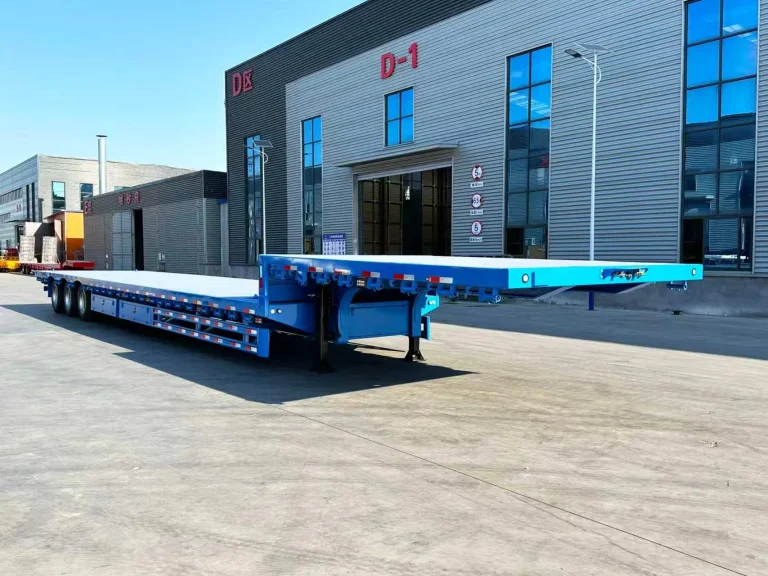
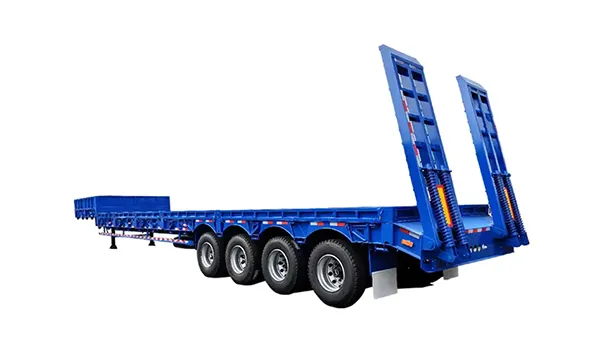
ayrılabilir alçak tabanlı römork
Eğimli Römorklar mı, Rampalı Römorklar mı: Hangi Taşıyıcı Daha İyi?
Bu, satın alma sürecinde en sık sorulan sorulardan biridir. Eğilebilir tasarım, yükleme ve boşaltma işlemlerini kolaylaştırır; çünkü ayrı bir rampaya bağlı kalmak yerine platformun kendisi eğilebilir. Bu özellik, haftada birkaç kez mini yükleyici, makaslı platform veya kompakt yükleyici taşıyan müteahhitler arasında eğilebilir römorkların popüler olmasını sağlar.
Eğilebilir sistem zaman tasarrufu sağlar. Rampaları çıkarmak, hizalamak ve kullanımdan sonra tekrar kaldırmak zorunda kalmazsınız. Kolay yükleme isteyen alıcılar için bu, önemli bir avantaj olabilir. Eğilebilir yükleme platformu ayrıca çamurlu veya kalabalık şantiye koşullarında daha temiz bir iş akışı sağlar. Birçok operatör, eğilebilir sistemin sık sık yapılan makine yükleme işlemlerini daha hızlı ve daha az sinir bozucu hale getirdiğini düşünmektedir.
Ancak rampalar hâlâ önemlidir. Arkada rampası bulunan sabit tabanlı ekipman römorku, daha basit ve daha uygun fiyatlı olabilir. Ayrıca, tabanın kendisi hareket etmediği için zaman içinde bakımı da daha kolay olabilir. Dolayısıyla en iyi seçim, yükleme sıklığınıza, kullandığınız makineye ve daha basit bir yapıdan ziyade hızlı günlük operasyonun sizin için daha önemli olup olmadığına bağlıdır. Bazı filo işletmeleri için eğilebilir römorklar en iyi seçenektir. Diğerleri için ise rampalı standart bir güverte, uzun vadede daha akıllıca bir çözümdür.
Araba Taşıyıcı mı, Ekipman Römorku mu: Gerçek Farklar Nelerdir?
Bu ifade otomobil taşıyıcı Araç taşıyıcı ile ekipman römorku arasındaki fark basit gibi görünebilir, ancak önemlidir. Bir araç taşıyıcı genellikle araç taşımacılığına göre tasarlanırken, bir ekipman römorku ise makine taşımacılığına göre tasarlanır. Bu da yükleme platformu yapısı, aks düzeni, çamurluk açıklığı, sabitleme noktaları ve yükleme özelliklerinin birbirinden çok farklı olabileceği anlamına gelir.
Araç taşıyıcı römorklar, genellikle tekerlekleri olan ve sabit dingil mesafesi düzenine sahip araçlar için uygun bir seçenektir. Yükün mini yükleyici, silindir, kompakt ekskavatör veya diğer düzensiz şekilli makineler olması durumunda ekipman römorku daha uygun bir seçenektir. Bu nedenle, araba taşıyıcıları ile ekipman römorkları birbirinin yerine kullanılabilir olarak değerlendirilmemelidir. Araba taşıyıcıları ile ekipman römorkları arasındaki farklar genellikle yükleme platformunun mukavemeti, yükleme açısı, ataşman alanı ve genel olarak ağır hizmet tipi yapı özelliklerinde ortaya çıkar.
İşte kısa bir özet:
| Özellik |
Araba taşıyıcı |
Ekipman römorku |
| Temel amaç |
Araçlar |
Makine ve şantiye yükleri |
| Teras kullanımı |
Yolcu veya filo araçlarının taşınması |
Ağır hizmet tipi makine kullanımı |
| Tasarım yükleniyor |
Araçlara uygun yaklaşım |
Makineler ve ataşmanlar için tasarlanmıştır |
| Bağlama stratejisi |
Tekerlek veya şasi sabitlemesi |
Makine şasisi ve aksesuarların sabitlenmesi |
| En uygun seçenek |
Otomobiller ve hafif demiryolu araçları |
Ağır makine ve ekipmanlar |
İşiniz ağırlıklı olarak araç teslimatından ibaretse, araba taşıyıcıları yeterli olabilir. İşiniz yükleyiciler, kompakt makineler veya şantiyeden alınan çeşitli yükleri içeriyorsa, genellikle doğru ekipman römorku daha uygun bir çözümdür.

Araba taşıma römorku
Ağırlık, akslar, fren sistemleri ve çekme donanımı güvenliği nasıl etkiler?
İşte bu noktada birçok alıcı pahalıya mal olan hatalar yapar. Bir römork ilk bakışta uygun görünebilir, ancak yük kapasitesi, aks grubu, fren sistemi ve çekme düzeni gerçek iş gereksinimlerine uymuyorsa, güvenlik hızla tehlikeye girer. Ekipmanın ağırlığı her şeyi değiştirir: yükleme platformu uzunluğu, aks sayısı, bağlantı elemanı seçimi, lastik sınıfı ve çekme çubuğu yük dengesi; hepsi buna bağlıdır.
Yasal düzenlemeler açısından, yükler ağırlaştıkça sabitleme kuralları özellikle önem kazanmaktadır. FMCSA, 10.000 pound veya daha ağır ağır vasıtaların, ekipmanların ve makinelerin, aksesuarları indirilmiş ve sabitlenmiş haldeyken en az dört bağlama kayışı kullanılarak yanal, ileri, geri ve dikey yönlerde hareket etmemesi için sabitlenmesi gerektiğini belirtmektedir. Bu sadece bir evrak detayı değildir. Bu kural, ekipman römorkunun gerçek hayatta nasıl kullanılması gerektiğini de etkiler.
Fren sistemleri de önemlidir. NHTSA, FMVSS No. 121'in havalı frenlerle donatılmış römorklardaki fren sistemlerine ilişkin performans gerekliliklerini belirlediğini ve bu standardın havalı fren sistemleri kullanan yeni kamyonlar, otobüsler ve römorklar için geçerli olduğunu belirtmektedir. NHTSA ayrıca, bu standardın kapsamına giren havalı frenli römorkların büyük çoğunluğunun bir park frenine sahip olması gerektiğini de belirtmektedir.
Bu nedenle, doğru römorku seçerken sadece yükleme alanı boyutuna odaklanmayın. Aks yük kapasitesini, süspansiyonu, bağlantı sistemini, tekerlek ve lastik özelliklerini ve çekici aracınızla yük sınıfınıza uygun gerçek fren sistemini de kontrol edin.
Bir ekipman römorkunda ne taşımalısınız?
Bir ekipman römorku çeşitli ekipmanları taşıyabilir, ancak kesin cevap, yük kapasitesi ve yükleme platformu düzenine bağlıdır. Tipik yükler arasında mini yükleyici, mini ekskavatör, kompakt traktör, makaslı platform, jeneratör, küçük silindir, hendek sıkıştırıcı ve diğer birçok kaliteli ekipman yer alır. Bazı pazarlarda alıcılar, bu römorkları tarım ekipmanları, paletlenmiş şantiye yükleri, ataşmanlar ve çeşitli şantiye aletleri için de kullanmaktadır.
İşte bu nedenle ekipman römorkları çok yönlüdür. Bir müteahhit, aynı römorku bu hafta bir makine için, gelecek hafta ise farklı bir makine için kullanabilir. Bir filo işletmecisi ise ataşmanları, kepçeleri, çatalları, küçük kompresörleri veya şantiye malzemelerini bir arada taşıyabilir. Önemli olan, römorku nominal yük sınırları içinde tutmak ve her bir eşyayı doğru şekilde sabitlemektir.
Yine de her iş tek bir römorkla halledilemez. Çok büyük makineler için ağır yük taşıma platformları, ayrılabilir römorklar veya özel yarı römorklara ihtiyaç duyulabilir. Bu nedenle alıcı, planlanan kullanımın kompakt makine taşımacılığı mı, orta ağırlıkta işler mi yoksa gerçek ağır iş makineleri nakliye. Bu karar, en başından itibaren doğru römork sınıfının belirlenmesini sağlar.
Yükleme ve Boşaltma Özellikleri Günlük Kullanımı Nasıl Kolaylaştırır?
Bir ekipman römorku, ancak operatörün onu doğru şekilde yükleyebilmesi durumunda işe yarar. Bu nedenle yükleme ve boşaltma özellikleri büyük önem taşır. Daha akıllı bir yükleme platformu düzeni, stresi azaltır, iş gücünden tasarruf sağlar ve makinenin hasar görme riskini düşürür. İşte bu nedenle alıcılar, rampa açısı, yükleme platformu yüksekliği, beavertail tasarımı, eğme fonksiyonu, çamurluk açıklığı ve ön depolama alanlarına dikkat ederler.
Yükleme işlemi sorunsuz gerçekleşen bir römork, genellikle daha güvenli bir şekilde taşınan bir römorktur. Bu kulağa bariz gelse de, satın alma sürecinde kolayca unutulabilir. Bir römork sağlam görünse de günlük kullanımda hantal olabilir. Rampa çok dikse, arka kısmı çok yüksekse veya bağlantı noktalarının yerleşimi uygun değilse, yükleme işlemi daha yavaş ve riskli hale gelir. Bu nedenle günümüzde birçok ağır yük römorku, ham çeliğe olduğu kadar kullanıcının iş akışına da aynı derecede önem vermektedir.
Günlük kullanım kolaylığı da önemlidir. Yerleşik bağlama noktaları, kilitlenebilir alet kutuları, üzerinden araç geçebilen çamurluklar, vinç bağlantı noktaları ve hidrolik eğim seçenekleri gibi özellikler, basit bir römorku çok daha kullanışlı bir iş aracına dönüştürebilir. Birçok kullanıcı için, kaliteli bir ekipman römorkunun ilk haftadan itibaren doğru ekipman gibi hissettirmesini sağlayan şey işte bu ayrıntılardır.
Bir ekipman römorkuna yatırım yapmadan önce nelere dikkat etmelisiniz?
Bir ekipman römorkuna yatırım yapmadan önce, sadece broşüre bakmayın, gerçek iş koşullarını kontrol edin. Makine ağırlığı, gerekli toplam yükleme platformu uzunluğu, ataşman boyutu, yükleme yöntemi ve çekici aracın sınırlamalarıyla başlayın. Ardından şasi yapısını, aks markasını veya kapasitesini, yükleme platformu malzemesini, süspansiyonu, bağlantı elemanı tipini ve sabitleme düzenini inceleyin.
Şu tür bir kontrol listesi kullanmanızı öneririm:
- makine ve ataşmanın gerçek ağırlığı
- planlanan nakliye mesafesi ve yol koşulları
- güverte uzunluğu ve genişliği gereksinimleri
- fren ve aks konfigürasyonu
- bağlantı elemanı ve çekici araç uyumluluğu
- güverte tipi: standart, kunduz kuyruğu veya eğimli
- sabitleme düzeni ve bağlama noktaları
- hizmet erişimi ve yedek parça desteği
İşte burada uzun vadeli değer de devreye giriyor. Daha ucuz bir römork, satın alırken tasarruf sağlayabilir ancak daha sonra lastikler, yükleme platformu onarımları veya arıza süreleri nedeniyle daha fazla masrafa yol açabilir. Satılık ekipman römorklarını inceleyen alıcılar, sadece fiyatı değil, yapıyı, bakım kolaylığını ve gerçek kullanım ömrünü de karşılaştırmalıdır. En akıllı alıcılar, sadece satış fiyatını değil, toplam maliyet ve dayanıklılığı da göz önünde bulundurur.
İhtiyaçlarınıza Uygun Römorku Nasıl Seçersiniz?
Doğru römorku seçmek için yükten başlayın, ardından geriye doğru ilerleyin. En sık hangi makineyi taşıyorsunuz? Ne sıklıkla taşıyorsunuz? Halihazırda hangi çekici aracınız var? Kolay yükleme ve boşaltma ihtiyacınız var mı, yoksa daha basit bir sabit platform yeterli mi? Bu soruların cevapları genellikle ihtiyaçlarınıza uygun römorku çok hızlı bir şekilde belirlemenize yardımcı olur.
Örneğin, tek bir mini yükleyici taşıyan küçük bir müteahhit, rampalı ve daha hafif bir tampon çekmeli ekipman römorku tercih edebilir. Birden fazla kompakt makineyi taşıyan bir filo ise, daha hızlı iş akışı için eğilebilir bir tasarımı tercih edebilir. Daha ağır veya daha uzun makineleri taşıyan bir alıcı ise daha sağlam şasiye sahip bir gooseneck römorkuna ihtiyaç duyabilir. Dolayısıyla en iyi römork evrensel bir çözüm değildir. Bu, yapılacak işe bağlıdır.
Çin merkezli bir yarı römork üreticisi olarak, müşterilerimizin römorku sadece genel bir kategoriye göre değil, gerçek kullanım amacına uygun olarak seçtiğinde her zaman daha iyi sonuçlar elde edildiğini görüyoruz. Doğru ekipman römorku, makineye, güzergâha, operatöre ve servis planına uygun olmalıdır. İşte bu şekilde, ekipman römorkları hakkındaki genel bilgiden öteye geçip akıllı bir satın alma kararı verebilirsiniz.
Ekipman Römorkları Hakkında Sık Sorulan Sorular
Ekipman römorku ne için kullanılır?
Ekipman römorku, mini yükleyici, kompakt ekskavatör, forklift, traktör veya jeneratör gibi makineleri, aletleri ve şantiye yüklerini taşımak için kullanılır. Bu römork, birçok çok amaçlı römorktan daha ağır ve zorlu kullanım koşullarına dayanacak şekilde tasarlanmıştır.
Ekipman römorkları, çok amaçlı römorklardan daha mı iyidir?
Makine nakliyesi için, evet. Ekipman römorkları, çoğu çok amaçlı römorka kıyasla daha sağlam şasiler, daha yüksek aks kapasitesi ve daha güvenli yükleme ve sabitleme özellikleriyle üretilir.
Araç taşıyıcı ile ekipman römorku arasındaki fark nedir?
Bir araba taşıyıcı, esas olarak araç nakliyesi için kullanılır. Ekipman römorku ise genellikle daha sağlamdır ve makineler, ataşmanlar ile şantiyedeki ağır yükler için daha uygundur. Araba taşıyıcı ile ekipman römorku arasında seçim yapmanın temel noktası budur.
Eğilebilir römorklar satın almaya değer mi?
Öyle olabilir. Sık sık yükleme yapıyorsanız ve iş akışını hızlandırmak istiyorsanız, eğimli römorklar iyi bir seçenektir. Bu römorklar, ayrı rampa işlemlerini azaltır ve kompakt makinelerin daha kolay yüklenmesini sağlar.
Ağır iş makineleri römorkta nasıl sabitlenmelidir?
FMCSA, 10.000 pound veya daha ağır olan ağır ekipmanların en az dört bağlama kayışıyla sabitlenmesi gerektiğini ve ek ekipmanların indirilip sabitlenmesi gerektiğini belirtmektedir.
Tüm ağır römorkların frenlere ihtiyacı var mı?
Fren gereklilikleri, römork tasarımına ve geçerli kurallara bağlıdır. Hava fren sistemleriyle donatılmış römorklar için NHTSA, FMVSS No. 121'in performans gerekliliklerini belirlediğini ve bu kuralın kapsamına giren hava frenli römorkların çoğunda park freninin bulunması gerektiğini belirtmektedir.
Son Düşünceler: Kaliteli Bir Ekipman Römorku Nasıl Seçilir?
Bir ekipman römorku, tekerlekli bir platformdan ibaret değildir. Bu, makineleri taşımak, güvenli bir şekilde sabitlenmelerini sağlamak ve gerçek hayatta yükleme ve boşaltma işlemlerini kolaylaştırmak üzere tasarlanmış bir çalışma aracıdır. Römork, makineye ve güzergâha uygun olduğunda, günlük nakliye işlemleri daha sorunsuz, daha güvenli ve daha verimli hale gelir.
Satın alırken en akıllıca yol, gerçek kullanım koşullarını göz önünde bulundurmaktır. Makine boyutunu, çekme kapasitesini, rampa veya eğim gereksinimlerini, yük sabitleme düzenini ve römorkun ne sıklıkla kullanılacağını düşünün. İyi bir ekipman römorku, işinizi kolaylaştırmalı, yeni sınırlamalar getirmemelidir.
Küresel B2B müşterilerine hizmet veren bir yarı römork üreticisi olarak, bir gerçeği defalarca gözlemliyoruz: En iyi römork, en gürültülü satış konuşmasına sahip olan değildir. En iyi römork, yüke uygun olan, uzun ömürlü olan ve operatörlere ekipmanı her taşıdıklarında güven veren römorktur.
Önemli Noktalar
Bir ekipman römorku, makineleri ve iş ile ilgili daha ağır yükleri, birçok genel amaçlı römorktan daha güvenli bir şekilde taşımak üzere tasarlanmıştır.
Yaygın olarak tercih edilen seçenekler arasında tampon çekmeli, kaz boynu, alçak profilli, güverte üstü ve eğilebilir römorklar yer alır.
Araç taşıyıcı ile ekipman römorku arasındaki ayrım önemlidir; zira makineler için daha sağlam yükleme yüzeyleri ve daha iyi sabitleme seçenekleri gereklidir.
Ekipmanın ağırlığı, aks seçimini, fren gereksinimlerini ve genel olarak doğru römork seçimini etkiler.
FMCSA, 10.000 pound veya daha ağır olan ağır ekipmanların en az dört bağlama kayışıyla sabitlenmesini ve aksesuarların indirilip sabitlenmesini şart koşmaktadır.
Hava frenli römorklar için NHTSA, FMVSS No. 121'in frenleme performansı gerekliliklerini belirlediğini ve bu kapsamdaki hava frenli römorkların çoğunda park freninin bulunması gerektiğini belirtmektedir.
En iyi ekipman römorku, makinenize, güzergâhınıza, yükleme tarzınıza ve uzun vadeli işletme ihtiyaçlarınıza uygun olandır.



 30 Nisan 2026