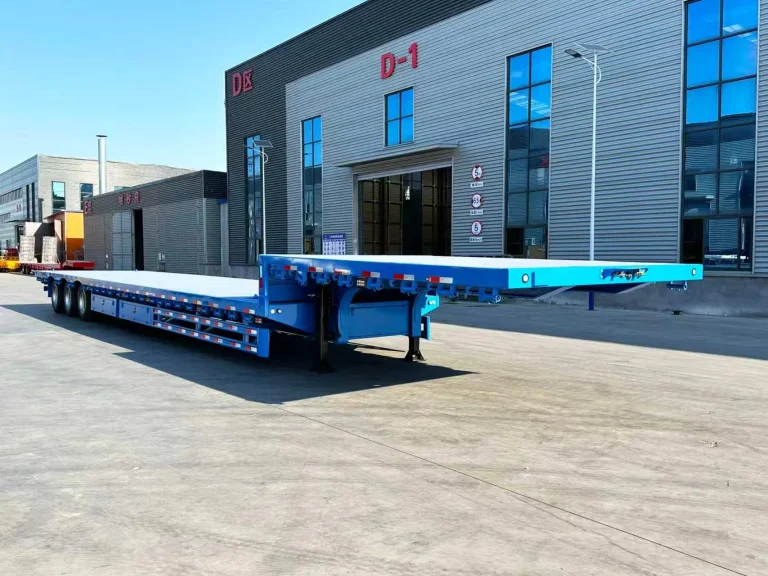
Konteyner işi için yanlış treyler seçimi teslimatı yavaşlatabilir, yükü boşa harcayabilir ve her saha hareketini zorlaştırabilir. Bu da hızla pahalıya mal olur. İskelet treyler, genel kargo taşımak yerine konteyner elleçleme için özel olarak üretilmiş daha hafif bir çerçeve kullanarak bu sorunu çözer.
İskelet römork, genellikle konteyner şasisi olarak da adlandırılan, karayolunda bir veya daha fazla nakliye konteynerini taşımak üzere özel olarak üretilmiş hafif bir römork şasisidir. Konteyneri sabitlemek için asgari düzeyde çelik bir şasi ve kilitleme noktaları kullanır; bu özelliği sayesinde liman içi nakliye, depo içi aktarma ve daha geniş kapsamlı intermodal taşımacılık operasyonları için pratik bir çözüm sunar.

Ana Hatlar
1. İskeletli römork nedir ve neden “iskelet römork” olarak da adlandırılır?
2. İskeletli römork, düz tabanlı römork veya diğer konteyner römorklarından ne açıdan farklıdır?
3. Bir iskelet tipi römork hangi parçalardan oluşur?
4. Döner kilitler, konteyneri römork üzerinde nasıl sabitler?
5. Bir iskelet römork hangi boyutlardaki konteynerleri taşıyabilir?
6. Hangi aks, fren ve süspansiyon konfigürasyonları yaygın olarak kullanılır?
7. İntremodal taşımacılıkta iskelet tip römorklar neden bu kadar popüler?
8. İskelet Tipi Römorkların Avantajları Nelerdir?
9. Alıcılar, iskelet tipi römork seçerken nelere dikkat etmelidir?
10. Satılık iskelet römorklar farklı konfigürasyonlarda mevcut mu?
İskeletli römork nedir ve neden “iskelet römork” olarak da adlandırılır?
A iskelet fragmanı tam bir yük güvertesi yerine bir konteyneri taşımak üzere tasarlanmış, minimal açık şasili bir römork türüdür. DCLI, konteyner şasisi veya intermodal şasi olarak da adlandırılan şasiyi, konteynerleri taşımak üzere tasarlanmış tekerlekli bir ekipman olarak tanımlamaktadır. Pratik nakliye terminolojisinde, bu ekipmana genellikle iskelet römork veya iskeletsel römork denir.
Bu ismin nedeni oldukça basit. Şasi, tam bir platform gövdesi yerine bir iskelete benziyor. Bir kamyonet gövdesi gibi sağlam yan duvarlar ve zemin yerine, römorkta raylar, çapraz elemanlar, iniş takımı, sürüş takımı ve kilitleme noktalarından oluşan iskelet bir şasi kullanılıyor. Bu da onu daha hafif hale getiriyor ve genel yük yerine konteyner taşımacılığına daha uygun hale getiriyor.
Dolayısıyla, alıcılar “skeleton” veya “skeletal trailer” terimleri hakkında soru sorduklarında, pratik cevap şudur: Her ikisi de piyasada kullanılmaktadır. “Skeleton trailer” terimi satış ve nakliye dilinde yaygın olarak kullanılırken, “skeletal trailer” terimi de ağır vasıta eğitimlerinde ve şasi tanımlamalarında yaygın olarak kullanılmaktadır.
İskeletli römork, düz tabanlı römork veya diğer konteyner römorklarından ne açıdan farklıdır?
Düz tabanlı römork, tam bir yükleme alanı üzerinde birçok farklı türde yükü taşımak üzere tasarlanmıştır. İskelet tip römork ise esas olarak konteyner taşımacılığı için üretilmiştir. İşte en önemli fark budur. Düz tabanlı römork, çelik, kereste, makine veya aşırı büyük yükler için geniş bir platform sunarken, bir konteyner şasi̇si̇ standart konteyner köşe konumları ve kilitleme noktaları temel alınarak tasarlanmıştır.
Bu nedenle, iskelet tipi römork genellikle konteyner taşımacılığı için daha hafif ve daha pratiktir. Tam bir zemine ihtiyaç duymaz. Yalnızca konteyneri doğru noktalardan desteklemek için gereken mukavemet ve geometriye ihtiyaç duyar. İşte bu nedenle konteyner şasileri, içindeki yükü boşaltıp yeniden yüklemek yerine konteyneri verimli bir şekilde taşımayı amaçlayan liman nakliyesi ve intermodal operasyonlarda bu kadar yaygındır.
Bu nedenle birçok filo her iki türü de kullanmaktadır. A düz yataklı Birçok farklı yükü taşıyabilirken, iskelet tip konteyner römorku ise özellikle ISO konteynerlerini taşımak üzere tasarlanmıştır. İşiniz yalnızca konteynerlerin karayolu ile nakliyesi ise, iskelet tip römork genellikle daha verimli bir çözümdür.
Bir iskelet tipi römork hangi parçalardan oluşur?
Modern bir iskelet tipi treyler, sadece bir şasiden ibaret değildir. CIE’nin şasi kılavuzunda, şasi ve çapraz kirişler, akslar ve süspansiyon, iniş ayakları, büküm kilitleri, fren sistemleri, aydınlatma ve kablolama gibi temel parçalar listelenmiştir. Bu parçalar, konteyneri desteklemek, dengede tutmak ve treylerin trafiğe çıkmasına uygun hale getirmek için birlikte çalışır.
Ana yapı, ana raylar ve çapraz elemanlar aracılığıyla konteyner yükünü taşıyan iskelet çerçevesidir. Bazı tasarımlarda, römorkun ön kısmında, girintili tüneli olan konteynerlere uyum sağlamak için bir gooseneck bölümü bulunabilir. Arka kısımdaki sürüş sistemi, gerekli aks desteğini, lastikleri, süspansiyonu ve yol stabilitesini sağlar.
Gerçek kullanım koşullarında, alıcılar sadece gözle görünen şasiyi dikkate almamalıdır. Fren sistemi, süspansiyon seçimi, iniş takımı dayanıklılığı, kilit düzeni ve genel yapı, hizmet ömrünü ve güvenliği etkileyen unsurlardır. Konteyner römorku basit bir fikirdir, ancak ayrıntılar yine de önemlidir.

İskelet fragmanı
Döner kilitler, konteyneri römork üzerinde nasıl sabitler?
Döner kilitler iskelet tip römorkların en önemli parçalarından biridir. Allyn Training’in lojistik sözlüğünde, büküm kilidinin nakliye konteynerlerini yarı römorkların şasisine, demiryolu vagonlarına veya gemi güvertelerine sabitlemek için kullanılan mekanik bir cihaz olduğu açıklanmaktadır. Yerine çevrildiğinde, konteynerin köşe bağlantı parçasına kilitlenir ve taşıma sırasında yükün sabit kalmasına yardımcı olur.
Ticari Araç Güvenliği Birliği, konteyner şasisinin her noktasında büküm kilitleri bulunduğunu ve sabitleme tertibatlarının konteynerin öne, arkaya, yana ve dikey yönde hareket etmesini engellemesi gerektiğini açıklamaktadır. Ayrıca, kilitleme tertibatının nakliye sırasında istemeden açılmayacak şekilde devreye girmesi gerektiğine de dikkat çekmektedir.
İşte bu nedenle kilit sistemi önemsiz bir ayrıntı değildir. İskelet tipi bir römork basit görünebilir, ancak güvenliği büyük ölçüde doğru kilitleme mekanizmalarına, uygun denetime ve kilit kollarının, pimlerinin ve mandallarının durumuna bağlıdır. Kısacası, yükü taşıyan iskelet olsa da, kutuyu sabitleyen bükümlü kilitlerdir.
Bir iskelet römork hangi boyutlardaki konteynerleri taşıyabilir?
İskelet tip römorkların en büyük avantajlarından biri, tasarımına bağlı olarak çeşitli konteyner boyutlarını taşıyabilmesidir. THACO, iskelet tip römorkların büküm kilidi konumlarını kullanarak 20 fit, 40 fit, 45 fit, 48 fit ve 53 fit uzunluğundaki konteynerleri taşıyabileceğini belirtmektedir. Driving Tests New Zealand ayrıca, bazı römorkların 20 fit, 30 fit, 40 fit ve 45 fitlik konteynerler için birden fazla kilitleme konumuna sahip olduğunu belirtiyor.
Bu esneklik, gerçek filo kullanımında önemlidir. Sabit uzunluklu konteyner şasisi, her zaman 40 ft'lik tek bir konteyner boyutuyla çalışan operasyonlar için ideal olabilirken, uzatılabilir bir model daha geniş bir iş yelpazesine uyum sağlayabilir. CIE, hem sabit uzunluklu hem de uzatılabilir şasi türlerini anlatırken, THACO ise uzunluğu uzatabilen bir römorkun, karışık konteyner operasyonları için daha fazla esneklik sağladığını açıklıyor.
Dolayısıyla doğru cevap, güzergâhınıza ve konteyner karışımınıza bağlıdır. Yalnızca tek bir standart konteyner boyutunu taşıyacaksanız, daha basit bir römork en uygun seçenek olabilir. Çeşitli uzunluklarda farklı konteynerleri yüklemeniz gerekiyorsa, daha esnek bir şasi tasarımı daha iyi bir yatırım olabilir.
Hangi aks, fren ve süspansiyon konfigürasyonları yaygın olarak kullanılır?
Bir iskelet tip römork, beklenen yük kapasitesine ve yol kurallarına bağlı olarak çeşitli şasi konfigürasyonlarında üretilebilir. Driving Tests New Zealand, bu römorkların bir ila dört aks arasında olabileceğini belirtirken, CIE ise farklı yük ihtiyaçları için sabit, üç akslı ve diğer şasi tiplerine dikkat çekmektedir.
Daha ağır işler için, üç dingilli veya dört dingilli bir yapı, yük dağılımını iyileştirebilir ve yasal ağırlık sınırlarına uyum sağlayabilir. THACO ayrıca, yükün şasiye oturma şeklini ve römorkun daha yüksek konteynerleri taşıma şeklini değiştiren gooseneck ve uzatılabilir versiyonlara da dikkat çekiyor. Uygulamada, alıcılar genellikle güzergâh, konteyner ağırlığı ve yol uygunluğu gereksinimlerine göre üç dingilli, tandem ve diğer farklı konfigürasyonları karşılaştırır.
Aynı durum fren ve süspansiyon seçenekleri için de geçerlidir. CIE, fren sistemlerini şasinin temel parçaları arasında saymaktadır; gerçek satış süreçlerinde alıcılar, maliyet ve servis ihtiyaçlarına bağlı olarak havalı süspansiyon, mekanik süspansiyon ile disk veya kampanalı fren sistemlerini karşılaştırabilirler. En uygun konfigürasyon, gerçek yol koşullarınıza, bakım tarzınıza ve yük profilinize uyan konfigürasyondur.
Yaygın kurulum faktörleri
| Ürün |
Neden önemli? |
| Aks sayı |
Ağırlığı destekler ve uyumluluğu etkiler |
| Fren Sistem |
Güvenlik, bakım ve frenleme performansını etkiler |
| Süspansiyon türü |
Sürüş konforunu etkiler ve lastik giyinmek |
| Kukula boyunlu veya düz çerçeve |
Farklı öğeleri eşleştirmeye yardımcı olur konteyner tünel ve yükseklik gereksinimleri |
| Sabit veya uzatılabilir şasi |
Kutu boyutundaki esnekliği etkiler |
İntremodal taşımacılıkta iskelet tip römorklar neden bu kadar popüler?
İskelet treyler, ISO konteynerlerini limanlar, demiryolu terminalleri, depolar ve müşteri tesisleri arasında taşımak üzere tasarlandığından, intermodal taşımacılıkla yakından bağlantılıdır. DCLI’nin sözlüğünde şasi, konteynerleri taşımak üzere tasarlanmış tekerlekli ekipman olarak tanımlanmaktadır; CIE ise şasilerin, konteynerlerin limanlar, demiryolu depoları ve nihai varış noktaları arasında hızlı bir şekilde aktarılmasını sağladıkları için intermodal taşımacılıkta vazgeçilmez olduğunu belirtmektedir.
Bu, konteynerli yük taşımacılığı için büyük bir avantajdır. Konteyner, içindeki yük boşaltılmadan gemi, demiryolu ve karayolu arasında taşınabilir. Şasi, bu sistemin karayolu ayağını oluşturur. Bu durum, fazladan elleçlemeyi azaltır, daha hızlı yükleme ve boşaltmayı destekler ve filoların malların akışını sürdürmesine yardımcı olur.
İşte bu nedenle römorklar, standartlaştırılmış kilitleme noktaları ve yaygın uzunluk formatlarıyla donatılmıştır. İskelet tipi römorkların temel amacı, minimum ek elleçlemeyle konteynerli lojistiğe uyum sağlamaktır. B2B taşımacılığında bu özellik, onu piyasadaki en kullanışlı ve özel konteyner römork platformlarından biri haline getirir.
İskelet Tipi Römorkların Avantajları Nelerdir?
İskelet tip römorkların başlıca avantajları, düşük boş ağırlığı, konteynere özel tasarımı ve operasyonel esnekliğidir. Şasi açık ve minimal yapıda olduğundan, bu römork genellikle tam güverteli bir alternatife göre daha hafiftir. Driving Tests New Zealand'e göre, hafif bir iskelet tip treylerin ağırlığı 4000 kg'a kadar düşebilir, ancak vinçler veya ekstra aks düzenlemeleriyle toplam ağırlık artabilir.
Bu düşük dara ağırlığı önemlidir; zira daha fazla yük kapasitesi, daha düşük yuvarlanma kütlesi ve bazı durumlarda daha ağır yapılara kıyasla daha az yakıt israfı anlamına gelebilir. THACO ayrıca uzatılabilir ve gooseneck tasarımların uyarlanabilirliğini öne çıkarırken, CIE ise şasi tipinin güzergâh, ağırlık ve filo esnekliği ihtiyaçlarına uygun olarak seçilmesini vurgulamaktadır.
İkinci bir avantaj ise standart kutuların kolayca yüklenip boşaltılabilmesidir. Konteyner, elle boşaltılmak yerine vinç, reach stacker veya diğer liman ekipmanları ile yüklenip indirilebilir. Bu nedenle bu römorklar, liman, depo ve karayolu besleme işleri için çok yönlüdür.

Alıcılar, İskelet Tipi Römork Seçerken Nelere Dikkat Etmelidir?
Doğru iskeletli römorku seçerken, alıcılar üç sorudan yola çıkmalıdır: Hangi boyutlardaki konteynerleri taşıyorsunuz, bu konteynerler ne kadar ağır ve hangi güzergâhlarda sefer yapıyorsunuz? CIE, konteyner boyutu ve ağırlığı, güzergâh ve yasal gereklilikler, liman ve terminal standartları, filo esnekliği ihtiyaçları ile uzun vadeli bakım maliyetlerini dikkate almanızı önerir.
Ardından donanıma bakın. Şasi malzemesini, kilit yerleşimini, aks tasarımını, fren sistemlerini ve süspansiyonu kontrol edin. Sabitleme hayati önem taşır; bu nedenle, döner kilitler, mandalların durumu ve şasi bütünlüğü her türlü inceleme sürecinin bir parçası olmalıdır. CVSA’nın bülteni, konteyner sabitlemesi ve yol güvenliği açısından kilit bütünlüğünün ne kadar önemli olduğunu ortaya koymaktadır.
B2B alıcıları için kalite, fiyat kadar önemlidir. İyi bir kalite kontrol süreci, doğru kaynaklama, güvenilir kilit konumlandırması ve farklı konteyner işleri için doğru boyutlandırma, satın alma maliyetindeki küçük bir farktan çok daha fazla çalışma süresini etkileyecektir. Konteyner taşımacılığında treyler basit bir yapıya sahiptir, ancak sonuç yine de teknik özelliklere bağlıdır.
Satılık iskelet römorklar farklı konfigürasyonlarda mevcut mu?
Evet. Satılık iskelet römorklar, çok çeşitli konfigürasyonlarda mevcuttur. CIE, sabit uzunluklu, uzatılabilir, 20 fitlik, 40 fitlik, üç dingilli, gooseneck, ISO tank ve iskelet konteyner şasi tiplerini listelemektedir. THACO ayrıca, farklı boyutlardaki konteynerler için gooseneck ve teleskopik modelleri öne çıkarmaktadır.
Bu, alıcıların tek tip bir tasarım seçmek zorunda olmadıkları anlamına gelir. Bazı operasyonlar için basit bir 40 ft’lik konteyner şasisi yeterlidir. Bazıları ise özel kutu taşımacılığı için damperli şasili römork veya hidrolik boşaltma sistemine ihtiyaç duyarken, diğerleri ise çeşitli boyutlardaki konteynerler için uzatılabilir ünitelere ihtiyaç duyar. Asıl seçim, yük gereksinimleriniz, yol koşulları ve filo yapınıza göre yapılmalıdır.
Kısacası, aynı ürün grubu içinde bile treylerlerin pek çok çeşidi bulunmaktadır. En iyi iskelet treyler, gerçek güzergâhınız, yükleme kombinasyonunuz, yasal yük gereklilikleri ve bakım koşullarınız göz önünde bulundurularak tasarlanmış olandır.
Sık Sorulan Sorular
İskelet tipi römork nedir?
İskelet tip römork, esas olarak karayolunda bir veya daha fazla nakliye konteynerini taşımak üzere tasarlanmış hafif bir römork şasisidir. Genellikle iskelet römork veya konteyner şasisi olarak da adlandırılır.
İskeletli römork, konteyner şasisi ile aynı şey midir?
Çoğu yük taşımacılığı uygulamasında, evet. DCLI, şasiyi konteynerleri taşımak üzere tasarlanmış tekerlekli ekipman olarak tanımlamaktadır ve sektör kaynakları genellikle aynı temel ekipman için “iskelet römork” terimini kullanmaktadır.
Bir iskelet römork hangi boyutlardaki konteynerleri taşıyabilir?
Tasarımına bağlı olarak, bir iskelet tip römork 20 fit, 40 fit, 45 fit, 48 fit veya 53 fit uzunluğundaki konteynerleri taşıyabilir. Bazı modeller sabit uzunluktadır, bazıları ise uzatılabilir.
Konteyner römorka nasıl sabitlenir?
Konteyner genellikle köşe bağlantı parçalarına kenetlenen bükümlü kilitlerle sabitlenir. Sabitleme kuralları, konteynerin her yönde hareket etmemesi için sabitlenmesini gerektirir.
Bir iskelet tipi römorkta kaç adet aks bulunabilir?
Bu, kullanım amacına bağlıdır. Bazı tasarımlarda daha hafif yükler veya boş taşıma için daha az sayıda aks bulunurken, diğerlerinde ise daha ağır yükler ve mevzuat gereklilikleri nedeniyle üç akslı veya dört akslı konfigürasyonlar kullanılır.
İntemodal taşımacılıkta iskelet tipi römorklar neden popülerdir?
Çünkü bunlar, içlerindeki malları yeniden paketlemeye gerek kalmadan standart konteynerleri limanlar, demiryolu terminalleri, depolar ve karayolu varış noktaları arasında taşımak üzere özel olarak tasarlanmıştır. Bu da onları intermodal taşımacılık için verimli kılar.
Son Düşünceler: Konteyner Taşımacılığı için Doğru İskeletli Römorkun Seçimi
Peki, pratik B2B terimleriyle “iskelet tip treyler” nedir? Bu, tam bir yük platformu yerine hafif bir şasi ve kilit sistemi kullanılarak, özellikle konteyner taşımacılığı için tasarlanmış bir treylerdir. Bu özellikleri sayesinde verimli, özel amaçlı ve her gün konteyner taşıyan filo işletmeleri için son derece kullanışlıdır.
Bir iskelet römorkun gerçek değeri sadece hafif olmasından ibaret değildir. Asıl değeri, modern lojistikte konteynerlerin gerçekte nasıl taşındığına göre tasarlanmış olmasıdır. Doğru konfigürasyon, uygun büküm kilitleri, doğru aks düzeni ve güvenilir sabitleme ile bu römork, çeşitli uzunluktaki konteynerlerin nakliyesi için son derece pratik bir karayolu platformu haline gelir.
Küresel B2B alıcılara hizmet veren, Çin merkezli bir yarı römork üreticisi olarak, aynı ilkeyi defalarca gözlemliyoruz: En iyi şasi, müşterinin konteyner boyutlarına, güzergâhlarına ve yük dağılımına uygun olandır. Konteyner taşımacılığında gerçek verimlilik, akıllı teknik özellik belirlemeden başlar.
Önemli Noktalar
İskelet tipi römork veya iskelet römork, esas olarak konteyner taşımacılığı için üretilmiş hafif bir römorktur.
Genellikle konteyner şasisi veya intermodal şasi olarak da adlandırılır.
Döner kilitler, konteyneri şasiye sabitleyerek nakliye sırasında hareket etmesini önlemeye yardımcı oldukları için hayati öneme sahiptir.
Farklı tasarımlar, şasi ve kilit düzenine bağlı olarak 20 fit, 40 fit, 45 fit, 48 fit ve 53 fit uzunluktaki konteynerleri taşıyabilir.
Alıcılar, bir şasi seçmeden önce boyut, aks düzeni, fren sistemi, süspansiyon ve güzergâh gereksinimlerini karşılaştırmalıdır.
İskelet tip römorklar, standartlaştırılmış konteynerleri karayolu, demiryolu ve liman ortamları arasında verimli bir şekilde taşıyabildikleri için özellikle intermodal taşımacılıkta büyük önem taşır.



 12 Mayıs 2026