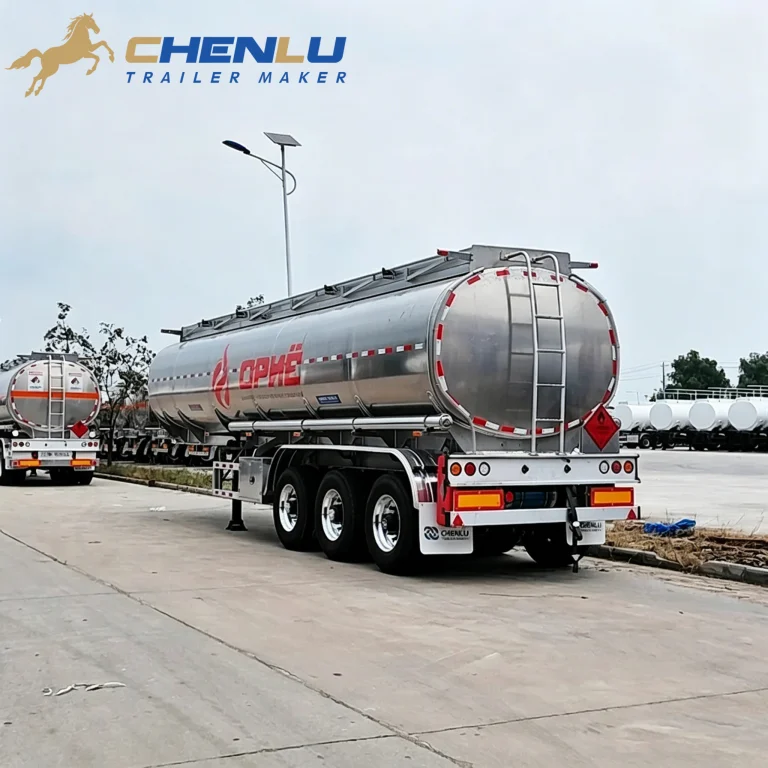
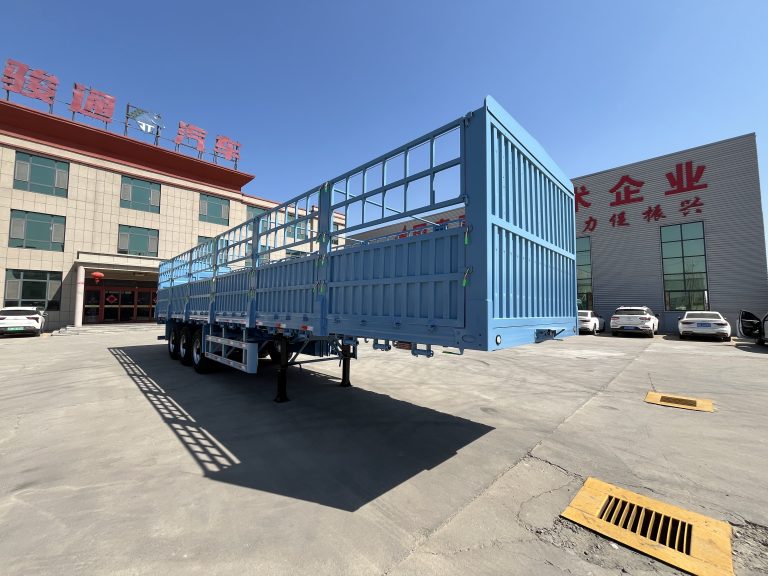
Bir yarı römork ağır yükleri taşır; ancak tek bir zayıf parça bile güvenlik risklerine, arıza sürelerine ve onarım maliyetlerine yol açabilir. Fren, aks, süspansiyon, aydınlatma, destek ayakları ve bağlantı parçaları birbiriyle uyumlu bir şekilde çalışır. Bu sistemin yapısını ve parçalarını anlamak, alıcıların doğru römorku seçmelerine ve bakımını doğru şekilde yapmalarına yardımcı olur.
Bir yarı römorkun başlıca parçaları arasında römork şasisi, şasi, bağlantı pimi, beşinci tekerlek bağlantı bölgesi, destek ayakları, aks, süspansiyon, fren sistemi, havalı fren hatları, fren odacıkları, tekerlekler, lastikler, römork gövdesi, yük zemini, tampon, arka darbe koruyucu, aydınlatma ve elektrik sistemleri, kablolama, yan koruyucular veya aksesuarlar ve yük sabitleme bileşenleridir.

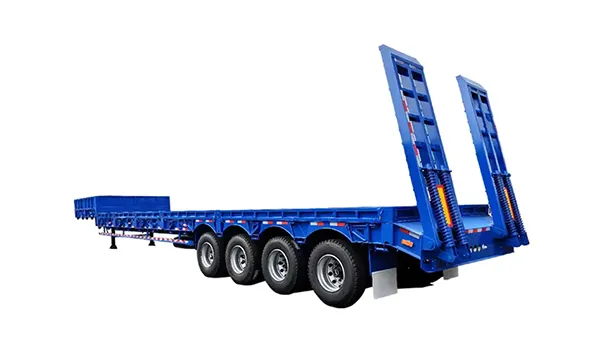
3 dingilli alçak tabanlı yarı römorklar
Makale Ana Hatları: N
Yarı römork nedir?
Bir yarı römorkun başlıca parçaları nelerdir?
Traktör, beşinci tekerlek ve bağlantı tertibatı, römorku nasıl birbirine bağlar?
Römork şasisi ve şasi neden bu kadar önemlidir?
Aks ve süspansiyon sistemleri ağır yükleri nasıl taşır?
Bir yarı römork fren sistemi nasıl çalışır?
İniş takımı, kingpin ve römork ön kısmı parçaları nelerdir?
Römork gövdesi, yük tabanı, tampon ve arka römork parçalarından hangileri önemlidir?
Aydınlatma ve elektrik sistemleri neden önemlidir?
Yarı römork parçaları ve aksesuarlarının bakım kapsamı nelerdir?
Yarı römork nedir?
Yarı römork, ön aksı olmayan bir römorktur. Beşinci tekerlek ve bağlantı pimi aracılığıyla bir çekiciye veya yarı kamyona bağlanır. Nakliye sırasında römorkun ön kısmı çekici tarafından desteklenirken, arka akslar römorkun arka kısmını ve yükün ağırlığını taşır.
Bu tasarım, esnek kamyon ve römork kombinasyonlarına olanak tanıdığı için küresel yük taşımacılığında yaygın olarak kullanılmaktadır. Bir filo, tek bir çekiciyi düz yataklı römorklar, iskelet römorklar, alçak yataklı römorklar, tanker römorklar, damperli römorklar, konteyner şasileri, dökme çimento römorkları ve özel nakliye römorkları gibi farklı yarı römorklarla birlikte kullanabilir.
Çin merkezli bir yarı römork üreticisi olarak, lojistik operatörleri, inşaat şirketleri, madencilik nakliye şirketleri, yakıt ve çimento nakliye hizmet sağlayıcıları, ağır ekipman müteahhitleri, ithalatçılar, distribütörler ve proje müteahhitleri için yarı römorklar tasarlıyoruz. Hedefimiz basit: treyler parçaları, şasi, aks, fren, süspansiyon ve gövde tasarımını yük ve yol koşullarına uyarlamak.
Bir yarı römorkun başlıca parçaları nelerdir?
Yarı römorkun başlıca parçaları, yapısal parçalar, şasi sistemi, fren parçaları, bağlantı parçaları, elektrik sistemleri, römork gövde parçaları ve güvenlik aksesuarları olarak sınıflandırılabilir. Her parçanın kendine özgü bir işlevi vardır. Tüm parçalar birbiriyle uyumlu bir şekilde çalıştığında, kamyon ve römork kombinasyonu yükü güvenli ve verimli bir şekilde taşıyabilir.
| Yarı Römork Parçası |
Ana İşlev |
| Römork şasisi / şasi |
Ana taşıyıcı yapı |
| Anahtar kişi |
Römorku beşinci tekerleğe bağlar |
| İniş takımları |
Römork, bağlantısı kesildiğinde desteklenir |
| Aks |
Römork ağırlığını taşır ve tekerlekleri birbirine bağlar |
| Süspansiyon |
Yoldan gelen darbeleri emer ve yükü destekler |
| Fren sistemi |
Römorku yavaşlatır ve durdurur |
| Hava fren hatları |
Frenleme için gerekli hava basıncı |
| Fren odaları |
Hava basıncını fren kuvvetine dönüştür |
| Jantlar ve lastikler |
Hareket ve yol tutuşunu destekler |
| Treyler gövdesi |
Yükü tutar veya destekler |
| Yük zemini |
Mal, ekipman veya konteynerleri taşır |
| Aydınlatma ve elektrik |
Sinyaller, görünürlük ve yasal yol kullanımı |
| Tampon / arka çarpma koruyucusu |
Arka koruma ve güvenlik desteği |
| Parça ve aksesuarlar |
Alet kutuları, döner kilitler, yan koruyucular, merdivenler, brandalar |
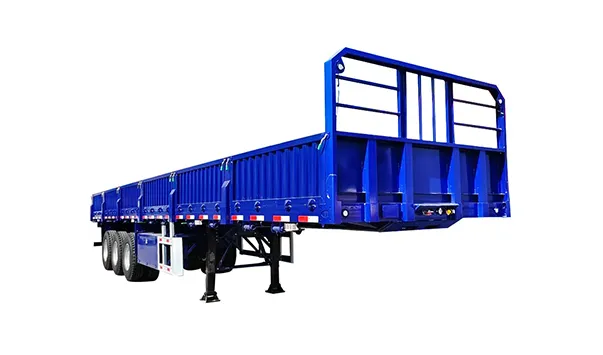
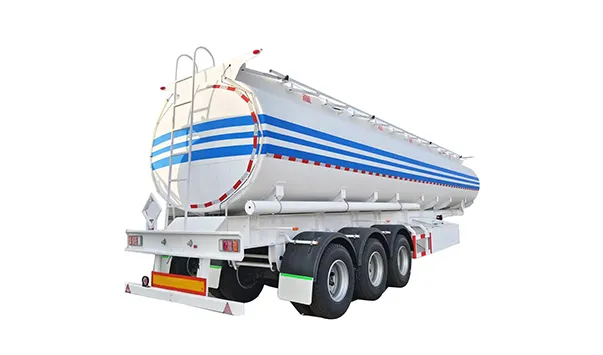
Gerekli parçalar römork türüne göre değişiklik gösterir. A düz yatak yarı römork Çivili cepler, döner kilitler ve yük sabitleme noktalarına ihtiyaç duyar. Bir tanker römorkunda ise tank gövdesi, menholler, vanalar ve boru tesisatı bulunmalıdır. Alçak yataklı bir römorkta ise rampalar, güçlendirilmiş kirişler ve alçak bir yükleme güvertesi bulunmalıdır.
Traktör, beşinci tekerlek ve bağlantı tertibatı, römorku nasıl birbirine bağlar?
Traktör ve römork, beşinci tekerlek ve bağlantı pimi aracılığıyla birbirine bağlanır. Bağlantı pimi, yarı römorkun ön ucunun altına sabitlenmiştir. Traktörün beşinci tekerleği, bağlantı piminin etrafına kilitlenerek kamyon ile römork arasında bağlantı oluşturur.
Bu bağlantı sistemi sağlam, güvenli olmalı ve düzenli olarak denetlenmelidir. Federal yönetmeliklere göre, her beşinci tekerlek tertibatında bir kilitleme mekanizması bulunmalı ve bu kilitleme mekanizması, beşinci tekerlek tertibatının üst ve alt yarısının birbirinden ayrılmasını engellemelidir.
Bağlantı bölgesi, yarı kamyon ve römork kombinasyonunun en önemli parçalarından biridir. Kingpin, beşinci tekerlek, kilitleme çenesi, montaj plakası veya bağlantı tertibatı aşınmış veya hasar görmüşse, römork güvenli bir şekilde bağlanamayabilir. Sürücüler ve bakım ekipleri, çalışmaya başlamadan önce beşinci tekerlek kilidini, serbest bırakma kolunu, kingpin aşınmasını, yağlamayı ve römork yüksekliğini kontrol etmelidir.
Römork Şasisi ve Şasi Neden Bu Kadar Önemlidir?
Römork şasisi ve gövdesi, römorkun omurgasını oluşturur. Yük ağırlığını taşır, yol koşullarından kaynaklanan yükleri emer ve akslar, süspansiyon, destek ayakları, yan kirişler, çapraz kirişler ve römorkun arka yapısı gibi başlıca bileşenleri birbirine bağlar.
Ağır yük taşımacılığında şasi mukavemeti büyük önem taşır. Zayıf bir şasi, ağır yükler altında bükülebilir, çatlayabilir veya eğrilebilir. Çelik yükler için düz tabanlı römork, ekskavatörler için alçak tabanlı römork ve madencilik malzemeleri için damperli römorkun hepsinin farklı şasi tasarımlarına ihtiyacı vardır.
İyi bir yarı römork şasisi şu özelliklere sahip olmalıdır:
- Yük türü
- Maksimum yük
- Yol koşulları
- Aks sayısı
- Süspansiyon türü
- Yerel ağırlık düzenlemeleri
- Yükleme yöntemi
- İhracat taşımacılığı gereklilikleri
- Uzun vadeli bakım planı
B2B alıcıları için şasi, sadece çelik ağırlığından ibaret değildir. Daha fazla çelik, her zaman daha iyi tasarım anlamına gelmez. Doğru römork, uygun malzemeler, kaynak kalitesi, çapraz eleman aralıkları, kiriş yüksekliği, takviye noktaları ve gerilim dağılımını bir arada barındırır.

alçak tabanlı yarı römork
Aks ve Süspansiyon Sistemleri Ağır Yükleri Nasıl Taşıyor?
Aks, römork yükünü taşır ve tekerlekleri süspansiyona bağlar. Bir yarı römork, yük kapasitesine ve yerel yönetmeliklere bağlı olarak bir, iki, üç veya daha fazla aks kullanabilir. Arka akslar, römork yüklü olduğunda römork ağırlığının büyük bir kısmını taşıdıkları için özellikle önemlidir.
Süspansiyon, yol şoklarını emmeye ve ağırlığı dağıtmaya yardımcı olur. Yaygın olarak kullanılan süspansiyon sistemleri arasında mekanik süspansiyon ve havalı süspansiyon bulunur. Mekanik süspansiyon sağlam ve uygun maliyetlidir. Havalı süspansiyon ise sürüş konforunu artırabilir ve hassas yükler için titreşimi azaltabilir.
| Bileşen |
Neden Önemlidir |
| Aks kirişi |
Tekerlek uçlarını ve yükü destekler |
| Yaprak yay veya hava yastığı |
Yoldan gelen sarsıntıları emer |
| Ekolayzer / askı |
Yükün dağıtılmasına yardımcı olur |
| Amortisör |
Sarsıntıyı azaltır |
| Burç |
Aşınmayı ve hareket gürültüsünü azaltır |
| U cıvatası |
Aks ve süspansiyon parçalarını tutar |
| Tekerlek göbeği |
Tekerleğin dönmesini destekler |
| Lastik |
Yolla son temas |
Madencilik yollarında kullanılmak üzere üretilmiş bir römork, otoyol konteyner şasisinden farklı bir süspansiyon mukavemetine ihtiyaç duyar. Bir tanker römorkunda ise sıvının hareketini azaltmak için dengeli bir süspansiyon gerekebilir. Bir alçak yataklı römork Ağır ekipman taşımak, yoğun yüke dayanabilecek bir aks ve süspansiyon tasarımı gerektirir.
Bir Yarı Römorkun Fren Sistemi Nasıl Çalışır?
Bir yarı römork fren sistemi, römorku yavaşlatır ve durdurur. Çoğu ağır kamyon ve römork kombinasyonunda havalı fren sistemi kullanılır. Çekici, hava hatları aracılığıyla sıkıştırılmış hava sağlar. Sürücü frene bastığında, hava basıncı fren odacıklarını harekete geçirir; bu odacıklar da mekanik parçaları hareket ettirerek tekerleklere fren kuvveti uygular.
FMCSA güvenlik kılavuzunda, ticari araçların hizmet, park ve acil durum fren gerekliliklerini karşılaması gerektiği ve frenlerin her zaman çalışır durumda olması gerektiği belirtilmektedir. Ayrıca kılavuzda, sınırlı istisnalar dışında frenlerin genellikle tüm tekerleklere etki etmesi gerektiği de vurgulanmaktadır.
Önemli fren parçaları şunlardır:
| Fren Parçası |
Fonksiyon |
| Hava hatları |
Traktörden römorka basınçlı hava aktarın |
| Sıcak el sıkışmaları |
Traktör ile römork arasındaki hava hatlarını bağlayın |
| Hava tankı |
Basınçlı havayı depolar |
| Fren odaları |
Hava basıncını mekanik kuvvete dönüştürmek |
| Gevşeklik ayarlayıcıları |
Fren ayarının korunmasına yardımcı olun |
| Fren kampanası veya disk |
Tekerlekleri yavaşlatmak için sürtünme oluşturur |
| Fren pabuçları veya balataları |
Temas tamburu veya disk |
| ABS sensörü |
Tekerlek kilitlenme riskinin izlenmesine yardımcı olur |
Hava fren basıncı dikkatli bir şekilde kontrol edilmelidir. FMCSA eğitim materyallerinde, hava kompresörlerinin genellikle 110 psi ile 130 psi arasında bir devre dışı kalma basıncına sahip olduğu ve devreye girme basıncının ise bunun yaklaşık 20 psi altında olduğu belirtilmektedir. Düzenli denetimler, hava kaçakları, fren odacıkları, hortumlar, valfler, ayarlamalar, fren aşınması ve ABS uyarı ışıklarını kapsamalıdır.
İniş takımı, kingpin ve römork ön sistemi parçaları nelerdir?
İniş takımı, yarı römorkun çekiciye bağlı olmadığı durumlarda onu destekler. Genellikle iki ayak, destek ayakları, bir krank kolu, dişli kutusu, çapraz mil, montaj braketleri ve kaldırma mekanizmasından oluşur. Sağlam bir iniş takımı, yükleme, park etme ve bağlama işlemleri sırasında römorkun dengede kalmasına yardımcı olur.
Kral pimi, römorkun ön kısmının altına sabitlenmiştir. Bu pim, römorku çekicinin beşinci tekerleğine bağlar. Ön kısımda ayrıca bir üst bağlantı plakası, hava ve elektrik bağlantı noktaları, alet kutuları, yedek lastik tutucuları ve ön duvar yapısı da bulunabilir.
Ön römork parçalarında aşağıdakiler kontrol edilmelidir:
- Kingpin giyim
- Üst bağlantı plakasındaki çatlaklar
- Beşinci tekerleğin temas yüzeyi
- İniş takımı ayağında hasar
- Şanzıman çalışması
- Ayak rahatsızlıkları
- Hava ve elektrik konektörlerinin korunması
- Ön duvardaki hasar
- Bağlantı noktalarının yakınındaki çerçeve çatlakları
Filo sahipleri için, iniş takımı ve bağlantı parçaları, bir römorkun indirilmesi, yüklenmesi, park edilmesi veya yeniden bağlanması her seferinde güvenliği etkilediği için düzenli olarak kontrol edilmelidir.
Römork gövdesi, yük zemini, tampon ve arka römork parçalarından hangileri önemlidir?
Römork gövdesi, römork türüne göre değişir. Düz tabanlı römorkun açık bir güvertesi vardır. İskelet tipi römorkta ise konteynerler için bir çerçeve bulunur. Bir tanker römork silindirik bir tank gövdesine sahiptir. Bir damperli römork, devrilebilir bir gövdeye sahiptir. Alçak tabanlı römork, ağır ekipmanlar için alçak bir güverteye sahiptir.
Yük zemini, taşınacak yüke uygun olmalıdır. Düz tabanlı römorklarda çelik levha, ahşap zemin veya güçlendirilmiş güverte kullanılabilir. Kapalı römorklarda kaymayı önleyici zemin kaplaması kullanılabilir. Damperli römorklarda aşınmaya dayanıklı çelik kullanılabilir. Konteyner şasisinde ise geleneksel yük zemini yerine büküm kilitleri kullanılır.
Römorkun arka parçaları arasında tampon, arka çarpma koruyucuları, arka lambalar, çamurluklar, reflektörler, altından girme koruması, arka şasi, kapı kilitleri, rampalar veya boşaltma kapakları yer alabilir. NHTSA, arka çarpışma koruma kuralları uyarınca, belirli arka çarpışma senaryolarında binek araç yolcularının korunmasına yardımcı olmak için römork ve yarı römorklarda yeterli mukavemet ve enerji emme özelliğine sahip arka çarpışma koruyucularının bulunması gerektiğini belirtmektedir.
Arka parçalar genellikle yanaşma, geri gitme, yükleme ekipmanları, yoldaki enkaz ve zorlu çalışma koşulları nedeniyle hasar görür. Düzenli denetimler, küçük hasarların ciddi bir güvenlik sorununa dönüşmesini önlemeye yardımcı olur.
Aydınlatma ve Elektrik Sistemleri Neden Önemlidir?
Aydınlatma ve elektrik sistemleri, römorkun görünür olmasını sağlar ve sürücünün hareketlerini bildirir. Bu sistemler arasında arka lambalar, fren lambaları, dönüş sinyalleri, işaret lambaları, çevresel lambalar, plaka lambası, kablo demeti, konektörler, bağlantı kutuları, ABS kabloları ve geri yansıtıcı bant yer alır.
NHTSA, FMVSS No. 108’in lambalar, yansıtıcı cihazlar ve ilgili ekipmanlara ilişkin gereklilikleri belirlediğini açıklamaktadır. FMCSA güvenlik belgelerinde ayrıca, lambaların ve yansıtıcıların görünür olması gerektiği ve belirli römorkların retroreflektif kaplamaya veya refleks yansıtıcılara sahip olması gerektiği belirtilmektedir.
Bir treylerin aydınlatma ve elektrik sistemi su, titreşim, korozyon ve yol koşullarının etkilerinden korunmalıdır. Kablolama sorunları, fren lambalarının arızalanmasına, sinyallerin zayıflamasına, ABS arızalarına veya yol kenarı denetimlerinde sorunlara yol açabilir.
Yaygın elektrik kontrolleri şunlardır:
- 7 uçlu konektörün durumu
- Kablo hasarı
- Terminallerdeki korozyon
- Kırık arka lambalar
- İşaret lambası işlevi
- Fren lambası tepkisi
- Sinyal lambası işlevi
- ABS uyarı ışığının yanması
- Yansıtıcı bantın durumu
İhracat pazarlarında kullanılan yarı römorklarda, aydınlatma düzeni varış yerinin gerekliliklerine uygun olmalıdır. Farklı ülkelerde lamba konumları, konektör standartları ve işaretleme kuralları farklılık gösterebilir.
Yarı römork parçaları ve aksesuarlarının bakım hizmetleri neleri kapsamaktadır?
Treyler bakımı, düzenli kontrol, yağlama, ayarlama, temizlik, aşınmış parçaların değiştirilmesi ve belgeleme işlemlerini içerir. Bir bakım planı, arızaları, yol kenarında yaşanan gecikmeleri, yük riskini ve uzun vadeli onarım maliyetlerini azaltmaya yardımcı olur.
Başlıca bakım noktaları şunlardır:
| Alan |
Denetim Odak Noktası |
| Fren sistemi |
Hava kaçakları, fren silindirleri, fren kampanaları, fren balataları, ABS |
| Aks ve süspansiyon |
Burçlar, yaylar, hava yastıkları, U cıvataları, aks hizalaması |
| Lastikler ve jantlar |
Lastik aşınması, lastik basıncı, tekerlek somunları, jantlar |
| Bağlantı |
Kingpin, beşinci tekerlek plakası temas noktası, kilitleme bölgesi |
| İniş takımları |
Şanzıman, ayaklar, ayak uçları, krankla çalıştırma |
| Şasi ve gövde |
Çatlaklar, pas, deformasyon, kaynak durumu |
| Aydınlatma |
Lambalar, kablolar, konektörler, yansıtıcı bant |
| Treyler gövdesi |
Zemin, yan duvarlar, tank, boşaltma gövdesi, büküm kilitleri |
| Güvenlik parçaları |
Tampon, arka çarpma koruyucusu, çamurluklar, yan koruma |
Bakım, kullanım koşullarına uygun olmalıdır. Düzgün otoyollarda çalışan bir römorkun, engebeli yollarda madencilik yükü taşıyan bir römorktan farklı bir denetim programına ihtiyacı olabilir. Akaryakıt tankerleri, dökme çimento römorkları, dökme römorkları, ayrıca alçak yükleme platformlu römorkların da özel bakım gereksinimleri vardır.
Yaygın Yarı Römork Türleri Parça Listesini Nasıl Etkiler?
Farklı yarı römorklar ortak parçalara sahiptir, ancak her türün kendine özgü bileşenleri de vardır. Bu durum, ithalatçılar, distribütörler ve filo sahipleri için önemlidir; zira parçalar ve aksesuarlar kullanım amacına uygun olmalıdır.
| Römork Türü |
Özel Römork Parçaları |
| Düz tabanlı yarı römork |
Güverte, yan kirişler, kazık yuvaları, bağlama halkaları |
| Skeleton fragmanı |
Döner kilitler, konteyner destekleri, hafif şasi |
| Alçak tabanlı römork |
Rampalar, alçak güverte, güçlendirilmiş kirişler, ağır hizmet tipi süspansiyon |
| Tanker römorku |
Tank gövdesi, menholler, vanalar, tahliye boruları, güvenlik cihazları |
| Damperli römork |
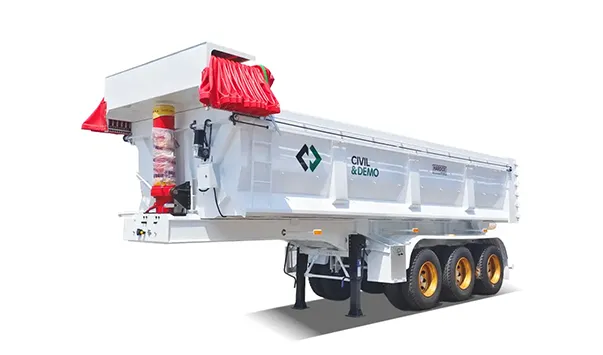
Hidrolik silindir, devrilebilir gövde, arka kapak, aşınmaya dayanıklı zemin |
| Dökme çimento römorku |
Tank gövdesi, hava kompresörü, boşaltma sistemi, akışkanlaştırma sistemi |
| Konteyner şasisi |
Döner kilitler, uzatılabilir çerçeve seçenekleri, konteyner kılavuz yapısı |
Örneğin, düz tabanlı römorklarda güverte mukavemeti ve yükün sabitlenmesi ön plandadır. Tanker römorklarda ise sıvı güvenliği, tank bölmeleri, vanalar ve boşaltma sistemleri ön plandadır. Alçak tabanlı römorklarda ise yükleme yüksekliği, rampa mukavemeti ve aks yük dağılımı ön plandadır.

B2B alıcılar, sipariş vermeden önce yarı römork parçalarını nasıl değerlendirmelidir?
B2B alıcıları, römork parçalarını yük, yükleme koşulları, yol koşulları, varış noktası düzenlemeleri, bakım desteği ve yedek parça temin edilebilirliği gibi kriterlere göre değerlendirmelidir. Doğru kamyon römorku her zaman en ağır veya en ucuz seçenek değildir. Asıl iş için tasarlanmış olanıdır.
Sipariş vermeden önce lütfen şunları teyit edin:
- Römork tipi
- Kargo türü ve ağırlığı
- Aks numarası ve aks markası
- Süspansiyon türü
- Fren sistemi yapılandırması
- Lastik ve jant özellikleri
- Kingpin boyutu ve bağlantı gereksinimi
- İniş takımı yük kapasitesi
- Çerçeve malzemesi ve kiriş tasarımı
- Aydınlatma ve elektrik standartları
- Boya veya pas önleyici işlem
- Arka çarpma koruyucusu veya tamponla ilgili şartlar
- Yedek parça ve aksesuar desteği
- Nakliye yöntemi ve montaj gereksinimleri
Çin’de faaliyet gösteren bir yarı römork üreticisi olarak, dünya çapındaki alıcıların standart ve özel tasarım römork çözümlerini seçmelerine yardımcı oluyoruz. Filo sahipleri, lojistik operatörleri, inşaat şirketleri, madencilik nakliye şirketleri, ağır ekipman müteahhitleri ve distribütörler için en uygun sipariş, sadece fiyatla değil, yük ve çalışma koşullarıyla belirlenir.
Uygulamalı Vaka Çalışması: Ağır Ekipman Taşımacılığı için Römork Parça Planlaması
Bir ağır ekipman müteahhidi, ekskavatörler ve inşaat makineleri için bir römorka ihtiyaç duyuyordu. İlk başta alıcı, esas olarak yükleme platformunun uzunluğuna odaklanmıştı. Çalışma koşullarını inceledikten sonra yük ağırlığını, makine genişliğini, rampa açısını, aks yükünü, süspansiyonu, fren sistemini ve yol koşullarını kontrol ettik.
Nihai tasarım şu konulara odaklandı:
| Proje İhtiyacı |
Römork Parçaları Çözümü |
| Ağır ekipman yükleme |
Güçlendirilmiş rampalar ve düşük yükleme açısı |
| Yüksek yük gerilimi |
Ağır hizmet tipi şasi ve ana kirişler |
| Zorlu yol koşullarında kullanım |
Güçlü süspansiyon ve uygun aks düzeni |
| Güvenli frenleme |
Hava fren sistemi ve kaliteli fren odacıkları |
| Makinenin sabitlenmesi |
Sağlam bağlama noktaları ve kaymaz güverte |
| Uzun hizmet ömrü |
Dayanıklı boya ve yapısal güçlendirme |
Bu örnek, römork bileşenlerinin neden tek bir sistem olarak çalışması gerektiğini göstermektedir. Güçlü bir şasi, zayıf frenlerle yeterli değildir. Kaliteli akslar, yetersiz rampalarla yeterli değildir. Güvenilir bir römork, dengeli bir tasarıma ihtiyaç duyar.
Yarı Römork Parçaları Hakkında Sık Sorulan Sorular
Bir yarı römorkun başlıca parçaları nelerdir?
Başlıca parçalar arasında römork şasisi, şasi, kingpin, beşinci tekerlek bağlantı plakası, destek ayakları, aks, süspansiyon, fren sistemi, havalı fren hatları, fren odacıkları, tekerlekler, lastikler, römork gövdesi, yük zemini, tampon, arka darbe koruyucu, aydınlatma, kablolama ve aksesuarlar yer almaktadır.
Bir yarı römorku bir çekiciye bağlayan şey nedir?
Yarı römorkun bağlantı pimi, çekicinin beşinci tekerleğine bağlanır. Bu bağlantı tertibatı, nakliye sırasında kamyon ve römorkun birlikte hareket etmesini ve aynı zamanda dönüş yapabilmesini sağlar.
Römork frenleri neden önemlidir?
Römork frenleri, römorkun güvenli bir şekilde hızını azaltmasına ve durmasına yardımcı olur. Ağır yükler, frenleme ihtiyacını artırır; bu nedenle fren sistemi, hava basıncı, fren odacıkları, fren kampanaları, fren balataları ve ABS düzenli olarak kontrol edilmelidir.
Bir römorkta iniş takımı ne işe yarar?
Tekerlekli iniş takımı, römork traktöre bağlı olmadığında römorkun ön kısmını destekler. Park etme, yükleme ve bağlama işlemleri sırasında römorkun dengede kalmasını sağlar.
Römork aksı ile süspansiyon arasındaki fark nedir?
Aks, tekerlekleri destekler ve yükü taşır. Süspansiyon, aksı şasiye bağlar ve yol şoklarını sönümler. Her iki parça da yük kapasitesini, lastik aşınmasını, sürüş konforunu ve römorkun dengesini etkiler.
Yarı römorklardaki arka çarpma koruyucuları nedir?
Arka çarpma koruyucuları, birçok römork ve yarı römorkun arkasına monte edilen güvenlik yapılarıdır. Bu yapılar, belirli arka çarpışma kazalarında aracın altına girme riskini azaltmaya yardımcı olmak üzere tasarlanmıştır.
Yarı römork parçaları ne sıklıkla kontrol edilmelidir?
Yarı römork parçaları, kilometre, çalışma koşulları, yük türü ve yerel yönetmeliklere göre düzenli olarak kontrol edilmelidir. Fren, aks, süspansiyon, lastik, bağlantı, aydınlatma ve şasi parçaları sık sık kontrol edilmelidir.
Önemli Noktalar
Bir yarı römork, yapısal, mekanik, fren, elektrik, bağlantı, yük ve güvenlik parçalarından oluşur.
Treylerin başlıca parçaları arasında şasi, şasi gövdesi, kingpin, iniş takımı, aks, süspansiyon, fren sistemi, tekerlekler, lastikler, gövde, zemin, aydınlatma sistemi, kablo sistemi, tampon ve arka çarpma koruyucusu yer almaktadır.
Beşinci tekerlek ve bağlantı pimi, römorku çekiciye bağlar.
Fren sistemi, havalı fren hatları ve fren odacıkları, güvenli bir şekilde durmak için hayati öneme sahiptir.
Aks ve süspansiyon sistemleri, ağır yükleri taşır ve yol tutuşunu sağlar.
İniş takımı, römorkun ayrıldığı sırada römorku destekler.
Aydınlatma ve elektrik sistemleri, görüş, sinyal verme ve yol kurallarına uyumu sağlar.
Farklı yarı römorklar için farklı parça ve aksesuarlar gerekir.
Düzenli denetimler, arıza sürelerini, güvenlik risklerini ve onarım maliyetlerini azaltmaya yardımcı olur.
B2B alıcıları, römork bileşenlerini yük ağırlığı, yol koşulları, mevzuat, bakım ihtiyaçları ve uzun vadeli kullanım kriterlerine göre seçmelidir.



 22 Mayıs 2026