Choosing the wrong trailer can cost more than money. It can delay projects, damage machines, and create road safety risks. The good news is simple: when you match the trailer to the real load, route, and job, heavy transport becomes safer and more profitable.
A lowboy trailer is best chosen by checking the cargo weight, deck height, axle configuration, deck length, loading method, road rules, and long-term maintenance needs. To choose the right lowboy trailer, buyers should compare payload capacity, ground clearance, gooseneck style, tire and suspension options, welding quality, and OEM customization support.
Makale Taslağı
- What Is a Lowboy Trailer and Why Is It Used for Heavy Haul?
- What Hauling Requirements Should You Confirm First?
- Why Does Deck Height Matter When Choosing a Lowboy Trailer?
- How Do Axle Configuration and Weight Distribution Affect Safety?
- What Deck Length Is Right for Your Real Load?
- Fixed Gooseneck, RGN, or Detachable Gooseneck: Which Type of Lowboy Should You Choose?
- Lowboy Trailer vs Flatbed Trailer vs Step Deck Trailer: What Is the Difference?
- What Should You Check in the Spec Sheet Before Buying?
- How Do Ground Clearance, Route Conditions, and Legal Height Limits Affect Selection?
- Why Should OEM / ODM Customization Matter for Your Fleet?
- What Quality Checks Help You Avoid Long-Term Maintenance Problems?
- FAQs About Choosing a Lowboy Trailer
- Unutulmaması Gereken Önemli Noktalar
What Is a Lowboy Trailer and Why Is It Used for Heavy Haul?
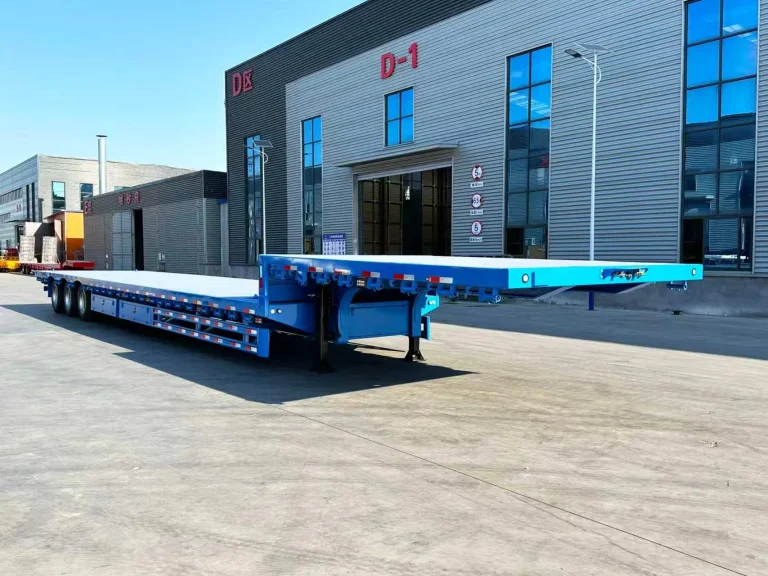
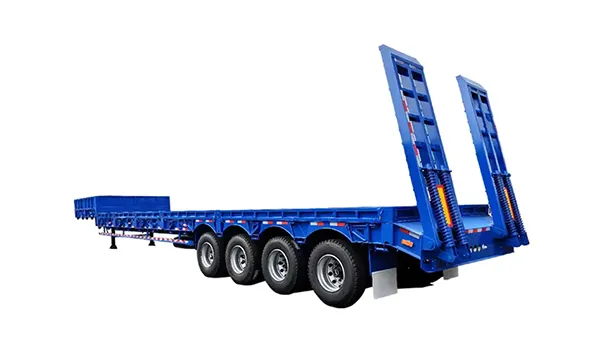
A lowboy trailer is a heavy-duty transport unit with a lower deck than many common trailer types. This design helps carry tall, heavy, and oversized equipment while keeping the cargo closer to the road. A lower loading platform can also improve stability because it lowers the center of gravity.
In many markets, buyers also call this product a lowbed, low-bed, low-bed semi-trailer, or double drop trailer. The names may change, but the main purpose is the same: moving heavy equipment, machinery, construction machines, and industrial cargo that cannot travel safely on a normal flatbed.
For fleet owners, contractors, and project buyers, this type of trailer is often used to move an excavator, dozers, cranes, mining machines, transformers, and other heavy loads. As a professional semi-trailer manufacturer in China, we focus on building strong, customized transport solutions for container logistics, construction, mining, energy, and global heavy-duty fleet operations.

alçak yük römorku
What Hauling Requirements Should You Confirm First?
Before you compare models, you need to understand your hauling requirements. This sounds basic, but many buying mistakes begin here. A buyer may ask for a 35-ton lowboy, but the real load may need a stronger frame, more axles, or a different deck structure.
Start with these questions:
- What is the actual cargo weight?
- What are the cargo length, width, and height?
- Will you carry one machine or different machines?
- Do you need to load and unload from the front, rear, or side?
- Are your roads smooth highways, mining roads, desert roads, or construction sites?
- What local transport regulations apply?
The real load matters more than the product name. A trailer that looks strong in photos may not suit your hauling needs if the beam structure, payload, deck length, and axle layout do not match the job. That is why a serious supplier should ask for cargo details before giving a final recommendation.
Why Does Deck Height Matter When Choosing a Lowboy Trailer?
Deck height is one of the most important points when selecting a alçak yük römorku. A low deck height helps keep tall equipment within legal height limits. It also makes the transport more stable, especially when carrying heavy machinery with a high body.
For example, when hauling an excavator or large road machine, the total height includes the equipment height plus the trailer deck height. If the combined height is too high, the vehicle may face bridge limits, route restrictions, permit problems, or higher transport risk.
A lower deck is not always the only answer. The right design depends on the cargo, tire size, suspension, frame strength, and ground clearance. In short, do not choose the extremely low deck only because it looks better. Choose the configuration that balances safety, road access, and loading efficiency.
How Do Axle Configuration and Weight Distribution Affect Safety?
The axle system carries the load and spreads weight across the road. A light-duty setup may work for smaller machines, but heavy-haul jobs usually need careful planning. The number of axles, axle brand, suspension type, tire rating, and frame design all affect safety and service life.
İşte basit bir kılavuz:
| Cargo Situation |
Common Selection Focus |
Neden Önemlidir |
| Medium construction equipment |
2–3 axles |
Better price and easier operation |
| Ağır iş makineleri |
3–4 axles or customized layout |
Better load support |
| Oversized loads |
Multi-axle configuration |
Safer weight distribution |
| Kötü yol projeleri |
Strong suspension and reinforced frame |
Longer service life |
| Export projects |
Local road rules and axle load limits |
Easier registration and operation |
Good weight distribution reduces stress on the frame, tires, suspension, and kingpin area. Poor distribution can lead to tire damage, frame fatigue, and unsafe braking. When you consider when choosing a model, always match the axle configuration to your cargo and route, not just to the lowest price.
What Deck Length Is Right for Your Real Load?
Deck length affects what you can carry and how safely the cargo sits on the platform. If the deck is too short, the machine may not be supported correctly. If it is too long, the unit may become harder to turn, heavier, and more expensive than needed.
Common buyers often ask about standard deck lengths, but the better question is: “What size does my cargo need?” A construction company moving compact machines may need a different design from a mining contractor moving large equipment. A fleet that carries many machine types may need a more flexible solution.
A practical rule is simple. Measure the full cargo length, check the wheelbase or track length, and allow safe room for binding and positioning. The perfect lowboy trailer is not always the longest one. It is the one that supports the machine correctly and helps your operators work faster.
Fixed Gooseneck, RGN, or Detachable Gooseneck: Which Type of Lowboy Should You Choose?
The gooseneck is the front connection area between the tractor and the trailer body. Different gooseneck styles suit different work conditions. A fixed gooseneck design is simple, strong, and often cost-effective. It is suitable when loading can be done by crane, ramp, or site equipment.
An RGN means removable gooseneck. Many buyers also call it a removable gooseneck or detachable gooseneck. This design lets the front part separate so machines can drive onto the deck from the front. For construction and mining users, this can save time and reduce loading difficulty.
A hydraulic detachable design is more advanced. It can make front loading smoother and safer, especially for machines that need a low approach angle. However, it also costs more and may require more maintenance. Choose a gooseneck lowboy trailer when your specific loading work truly needs it.

Katlanır Deveboynu Lowbed Treyler
Lowboy Trailer vs Flatbed Trailer vs Step Deck Trailer: What Is the Difference?
A flatbed trailer has a straight deck and is widely used for steel, containers, lumber, pipes, and general cargo. A flatbed is simple and flexible, but it may not be ideal for tall machines because the deck is higher.
A step deck trailer has two deck levels. It is useful for cargo that is taller than normal flatbed cargo but does not require the lowest possible platform. A double drop or lowboy design gives even more height advantage because the main cargo platform sits lower between the front and rear sections.
İşte kısa bir karşılaştırma:
| Type of Trailer |
En İyi Kullanım |
En Önemli Avantaj |
Ana Sınırlama |
| Düz yataklı |
Genel kargo |
Easy loading and flexible use |
Higher deck |
| Basamaklı güverte |
Orta yükseklikteki kargo |
More height room than flatbed |
Not as low as lowboy |
| Lowboy |
Ağır iş makineleri ve yüksek makineler |
Lower deck and better stability |
More specialized |
| RGN lowboy |
Drive-on machines |
Daha kolay önden yükleme |
Higher cost |
If your work is mostly general cargo, a flatbed may be enough. If you often haul ağır iş makineleri, the right lowboy trailer gives better safety and road compliance.
What Should You Check in the Spec Sheet Before Buying?
A spec sheet should tell you more than the model name. It should show the payload, main beam material, deck dimensions, axle brand, suspension, tire size, kingpin, landing gear, braking system, electrical system, paint process, and optional accessories.
For example, a 35-ton model may sound clear, but the true performance depends on design details. The weight of a lowboy trailer also affects how much cargo you can legally carry. A strong but overweight structure may reduce the useful payload. A light but weak structure may create risk.
When comparing a standard lowboy with a customized unit, check these points carefully:
- Rated payload and safety margin
- Main beam height and steel thickness
- Cross member spacing
- Welding process and inspection
- Brake and lighting system
- Suspension type, such as mechanical or air ride
- Tire and rim specifications
- Paint and anti-rust treatment
- Spare parts availability
- Local compliance requirements
Do not buy only from photos. Photos help, but technical details protect your investment.
How Do Ground Clearance, Route Conditions, and Legal Height Limits Affect Selection?
Ground clearance is important when the route includes rough roads, mine sites, construction areas, or uneven entrances. A very low unit may give better cargo height control, but it may also scrape the ground in difficult road conditions.
At the same time, buyers must think about legal height and legal height limits. If the cargo is too tall after loading, the fleet may need special permits or route planning. That can increase cost and timing pressure. In some projects, timing matters because machines must arrive before a road project, mining shift, or port operation begins.
Route study is part of smart buying. A good manufacturer will ask where the trailer will work. Export customers may need different specifications for Africa, the Middle East, Southeast Asia, South America, Europe, or local project roads. The right trailer should match your road, not just your cargo.
Why Should OEM / ODM Customization Matter for Your Fleet?
No fleet is exactly the same. That is why OEM / ODM customization is valuable. A distributor may need a price-friendly model for local sales. A mining company may need reinforced beams and stronger suspension. A construction contractor may need ramps, toolboxes, widened deck options, or different braking systems.
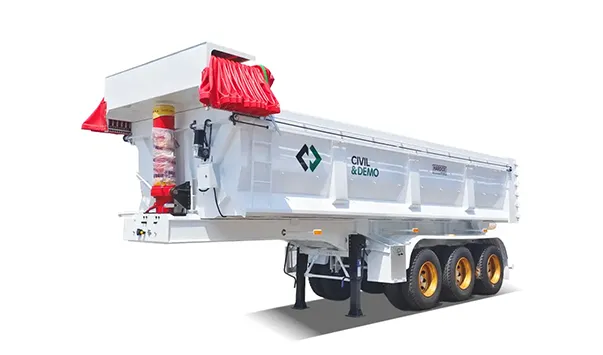
As a factory-direct semi-trailer manufacturer in China, we support customized solutions for low-bed trailers, skeleton container models, side curtain units, sidewall trailers, fuel tanker trailers, aluminum tanker trailers, bulk cement tankers, dump semi-trailers, car carriers, trucks, and trailer parts. This helps global buyers build a better trailer inventory for different market demands.
Customization can include:
- Ana kiriş tasarımı
- Axle brand and number of axles
- Süspansiyon sistemi
- Güverte levhası kalınlığı
- Lastik boyutu
- Loading ramps
- Hydraulic system options
- Detachable goosenecks
- Paint color and logo
- Alet kutuları ve yedek lastik tutucular
- Local road regulation adjustments
A one-size-fits-all model may look simple, but it may not bring the best long-term value. For serious fleet growth, customization can reduce downtime and improve return on investment.

Why Should OEM / ODM Customization Matter for Your Fleet?
What Quality Checks Help You Avoid Long-Term Maintenance Problems?
Price matters. But quality and performance matter more when the trailer works every day. Poor welding, weak steel, thin paint, or low-grade parts can create problems after only a few heavy jobs. That is expensive. It also hurts your customer trust.
A reliable manufacturer should control material cutting, welding, frame alignment, sandblasting, painting, assembly, inspection, and delivery. For export buyers, quality control should also include photos, videos, production updates, loading inspection, and packing checks before shipment.
Bu basit alıcı kontrol listesini kullanın:
| Quality Point |
Neleri Kontrol Etmelisiniz? |
Neden Önemlidir |
| Kaynak |
Smooth, strong, clean welds |
Reduces frame cracking risk |
| Main beam |
Correct steel and design |
Ağır yükleri taşır |
| Akslar ve süspansiyon |
Matched to payload |
Improves safety |
| Paint process |
Anti-rust treatment |
Extends service life |
| Fren sistemi |
Reliable components |
Protects road safety |
| Factory support |
Spare parts and documents |
Helps long-term maintenance |
You may see brands such as Load King in some markets, but when importing from China, the key is not to copy a name. The key is to build a specification that fits your route, your business, and your equipment needs.
How Can a Manufacturer Help You Choose the Right Lowboy Trailer?
A good supplier should not only sell. It should help you decide. When we receive an inquiry, we usually want to know the cargo type, machine weight, dimensions, loading method, destination market, road conditions, and expected working frequency.
This helps us recommend the right trailer, whether it is a fixed gooseneck model, gooseneck lowboy, RGN, double-drop, or custom heavy-haul solution. We can also help buyers compare cost, strength, transport efficiency, and maintenance needs before production starts.
For fleet owners, dealers, and international project buyers, this support can reduce risk. It also helps you get a more suitable unit instead of buying only by price. If you want a lowboy trailer for your fleet, the best step is to share your real operating conditions and let engineering support guide the design.
Practical Case Study: Choosing for a Construction Equipment Fleet
A construction contractor needed to transport several machines between road building sites. The machines included a medium excavator, compact roller, and other equipment. At first, the buyer considered a basic model because it looked affordable.
After checking the cargo height, road surface, and loading method, a stronger lowboy design with better axle layout and loading support was recommended. The buyer also added reinforced deck plate, practical toolboxes, and export-friendly lighting.
The result was simple: better loading efficiency, safer movement, and fewer worries about route limits. This is why the right lowboy trailer should always start from the job, not from a catalog photo.
FAQs About Choosing a Lowboy Trailer
What type of lowboy should I choose for construction equipment?
For construction equipment, the best choice depends on machine size, weight, and loading method. If machines can drive onto the deck, an RGN or detachable model may help. If loading is done by crane or ramp, a fixed gooseneck design may be enough.
Is a lowboy better than a flatbed for hauling heavy equipment?
Yes, in many heavy equipment jobs. A lowboy gives a lower platform, which helps carry taller machines more safely. A flatbed is better for general cargo, but it may not suit tall or heavy machines.
How many axles do I need?
The answer depends on cargo weight, local rules, and road conditions. More axles can improve load sharing, but they also increase cost and maintenance. Always match the axle layout to the actual payload and working route.
What is the difference between lowboys and RGN trailers?
Lowboys are low-deck heavy transport units. RGN trailers are a type of lowboy with a removable front gooseneck. RGN designs are useful when machines need to drive onto the deck from the front.
Can I customize a lowboy trailer for my local market?
Yes. OEM / ODM customization can adjust axle number, deck length, suspension, tires, braking system, ramps, paint, logo, and other details. This is especially useful for distributors, dealers, contractors, and fleet owners with local road or cargo needs.
What information should I send before asking for a quote?
Send the cargo name, weight, length, width, height, loading method, destination country, road condition, and preferred configuration. Photos or drawings are also helpful. With this information, the manufacturer can recommend a safer and more accurate solution.
Unutulmaması Gereken Önemli Noktalar
- Start with the real load, not only the model name.
- Check cargo weight, size, road conditions, and loading method before choosing.
- Deck height affects stability, legal height limits, and route planning.
- Axle configuration and weight distribution are critical for safety.
- Fixed gooseneck, RGN, and detachable designs serve different jobs.
- Compare the full spec sheet, not just photos or price.
- OEM / ODM customization can help the trailer suit your hauling needs.
- Strong welding, reliable parts, and quality inspection reduce long-term maintenance problems.
- A professional manufacturer should offer engineering support, export experience, and factory-direct supply.
- The best trailer is the one that fits your fleet, your cargo, and your local working conditions.



 23 Haziran 2026