Choosing the wrong trailer for container work can waste fuel, reduce payload, and slow every trip. A weak chassis may also increase safety risk. A skeletal semi-trailer solves this problem with a lighter frame, strong twist lock points, and a design made for container transport.
A skeletal semi-trailer is an open-frame semi trailer mainly used to transport shipping containers. It is also called a skeleton trailer, skeletal trailer, container chassis, or chassis trailer. Common models include 20ft, 40ft, 40-foot, and 3 axle skeleton semi trailer options for port, highway, and intermodal logistics.
Makale Taslağı
- What is a skeletal semi-trailer?
- Why is a skeleton trailer used for container transport?
- What are the main parts of a skeletal trailer?
- How does a 3 axle skeleton semi trailer work?
- What containers can a 20ft and 40ft skeleton trailer carry?
- What are the advantages of skeleton trailers?
- How do skeletal trailers compare with flatbed trailer and chassis trailer options?
- What suspension, axle, and twist lock details matter?
- How should buyers choose the right skeleton trailer configuration?
- What should buyers check when looking for skeleton trailers for sale?
- Case study: skeleton container trailer for port logistics
- FAQs about skeletal semi-trailers
- Unutulmaması gereken önemli noktalar
What Is a Skeletal Semi-Trailer?
A skeletal semi-trailer is a semi trailer with an open skeletal frame. Unlike a flatbed trailer, it does not have a full deck. The frame is built to carry containers by using twist lock points that hold the container firmly during transport.
This type of trailer is also known as a skeleton trailer, skeletal trailer, skeleton semi trailer, container chassis, or container trailer. In simple words, it is a truck trailer made for container transport. It connects to a semi truck and moves containers between ports, rail yards, warehouses, factories, and inland logistics centers.
The skeleton design makes the trailer lighter than many full-deck semi-trailers. Less trailer weight can improve fuel efficiency and payload capacity. For fleet owners and logistics operations, that means better daily performance and lower operating cost.

İskelet fragmanı
Why Is a Skeleton Trailer Used for Container Transport?
A Skeleton fragmanı is used to transport containers because it is light, simple, and efficient. It has the structure needed to support a shipping container, but it does not carry extra deck weight that is not needed for container work.
This trailer is very common in port logistics and intermodal transport. A reach stacker, crane, or container handling machine places the container onto the chassis. Then the twist lock system secures the container for road movement. This makes loading and unloading faster and safer.
For companies that move many containers every day, a skeletal trailer is practical. It helps transport containers of various sizes, improves fleet use, and keeps the structure easy to inspect and maintain. That is why many trailer dealers, fleet owners, and container transport operators choose this trailer type.
What Are the Main Parts of a Skeletal Trailer?
A skeletal trailer looks simple, but every part has an important job. The main frame supports the container. The axle group carries the load. The suspension absorbs road shock. The landing gear supports the trailer when it is not connected to the tractor.
Key parts include:
| Main Part |
Fonksiyon |
| Main beam |
Supports container weight and load distribution |
| Cross members |
Strengthen the skeletal frame |
| Twist lock |
Locks the container to the trailer |
| Aks sistemi |
Carries the payload and supports road movement |
| Süspansiyon |
Improves stability and reduces road impact |
| İniş takımları |
Supports the front of the trailer during parking |
| King pin |
Connects the trailer to the semi truck |
| Fren sistemi |
Supports safe stopping |
| Tire and rim |
Carry road load and affect service life |
A good skeleton trailer should use high-strength steel in the main load-bearing areas. Strong welding, accurate lock position, and correct frame alignment are also important. These details help the trailer handle heavy loads and daily transport operations.
How Does a 3 Axle Skeleton Semi Trailer Work?
A 3 axle skeleton semi trailer is one of the most common choices for 40ft container work. The 3 axle setup helps spread container weight across the rear of the trailer. This supports better load distribution and helps meet local axle load rules.
A 3 axle trailer is often used for a 40ft container or a heavy container load. In many markets, buyers call this model a 3 axle 40ft skeleton trailer, 3 axle 40ft container chassis, or tri axle skeletal trailer. The words may change, but the basic idea is the same: a strong skeletal frame with a tri-axle rear group.
For B2B buyers, the axle configuration must match the route. A port-only trailer may use one setup. A long-distance highway trailer may need another. A mine, rural road, or construction project may need stronger suspension, tires, and frame reinforcement.
What Containers Can a 20ft and 40ft Skeleton Trailer Carry?
A skeletal semi trailer can be designed for 20ft, 40ft, or mixed container work. The most common models are 20ft skeleton trailer, 40ft skeleton trailer, and multi-position konteyner şasi̇si̇ options. Some trailers can carry containers of various lengths by using different twist lock positions.
A 40ft skeleton model is widely used for a 40ft container and 40-foot ISO shipping container work. A shorter trailer may be used for a 20ft container. A longer or adjustable model can support containers of various sizes.
Simple container matching guide:
| Konteyner Boyutu |
Suitable Trailer Option |
Tipik Kullanım |
| 20ft container |
20ft skeleton trailer or multi-lock chassis |
Heavy compact cargo |
| 40ft container |
40ft skeleton trailer or 40ft container chassis |
General port and highway work |
| 45ft container |
Extended chassis or special configuration |
Longer container transport |
| Mixed sizes |
Adjustable container chassis |
Fleets with flexible transport needs |
Before ordering, buyers should confirm container length, cargo weight, legal load rules, and the type of container. The right trailer design depends on the real transport needs, not just the container name.
İskelet Tipi Römorkların Avantajları Nelerdir?
The advantages of skeleton trailers are clear: lower weight, easier maintenance, faster container handling, and better payload efficiency. Since the trailer has no full deck, it carries less dead weight than many flatbed semi trailer options.
Başlıca avantajlar şunlardır:
- Lightweight structure for better fuel efficiency
- Strong container chassis design for ISO container transport
- Twist lock system for secure container fixing
- Easy inspection because the frame is open
- Good payload performance for daily logistics work
- Simple maintenance compared with some specialized trailers
- Flexible configuration for 20ft, 40ft, and multi-size containers
A lightweight skeletal trailer can help reduce fuel use when compared with heavier full-deck designs. For large fleets, small savings on each trip can become meaningful over months and years.
That is why many container logistics companies prefer skeleton trailers for sale when their main job is container movement. The design is not fancy. It is focused. And in transport, focused design often works best.
How Do Skeletal Trailers Compare With Flatbed Trailer and Chassis Trailer Options?
A skeletal trailer and a chassis trailer are often used to describe the same general product. Both refer to an open-frame trailer made for container transport. However, some markets use “container chassis” more often, while others use “skeleton trailer” or “skeletal semi.”
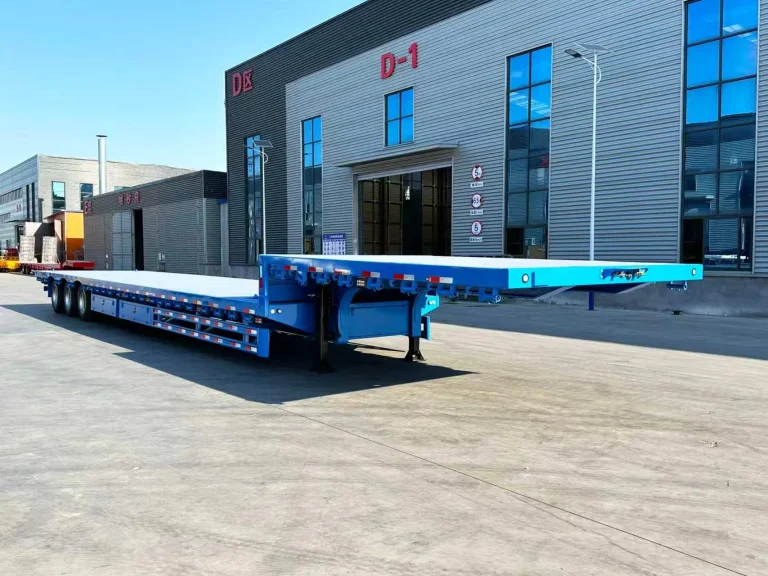
A flatbed trailer is different. It has a full deck and can carry containers, machinery, steel, bulk cargo, and other goods. It is more flexible for different cargo, but it is usually heavier than a skeleton trailer. If your main work is only container transport, the skeleton container design may be more efficient.
Comparison table:
| Römork Türü |
Yapı |
İçin En İyisi |
| İskelet fragmanı |
Open skeletal frame |
Konteyner taşımacılığı |
| Skeleton fragmanı |
Open chassis structure |
Port and intermodal work |
| Konteyner şasisi |
Frame with twist locks |
ISO container movement |
| Düz tabanlı römork |
Full deck trailer |
Container plus mixed cargo |
| Uzatılabilir römork |
Adjustable length |
Containers of various lengths |
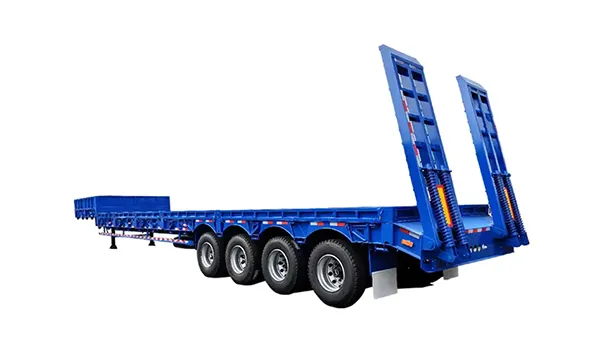
| Alçak tabanlı römork |
Düşük yükleme yüksekliği |
Ağır makineler |
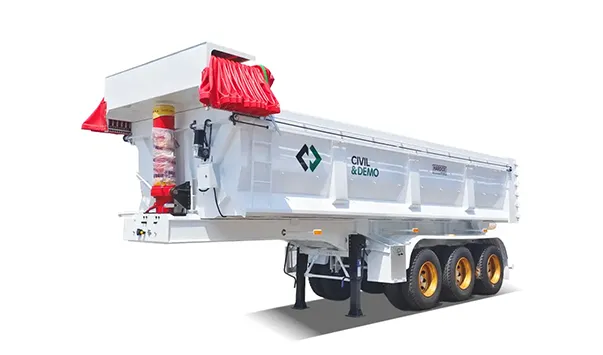
| Tipper chassis trailer |
Tipping structure |
Bulk container discharge |
For a buyer who moves both containers and general goods, a flatbed semi trailer may be useful. For a buyer who only moves containers, a skeleton semi trailer is usually the cleaner and lighter choice.

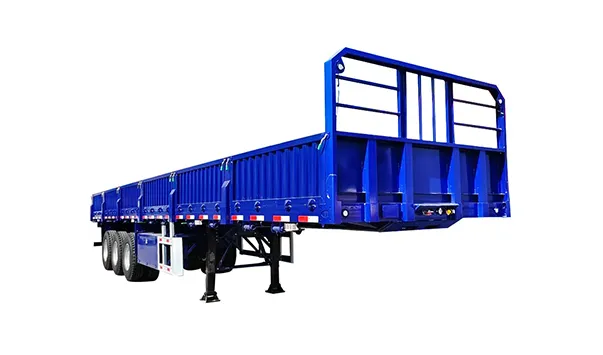
yarı açık kasa treyler
What Suspension, Axle, and Twist Lock Details Matter?
Suspension, axle, and twist lock quality matter because they affect safety, stability, and trailer life. A strong frame alone is not enough. The whole trailer must work as one system.
Common suspension choices include mechanical suspension and air suspension. Mechanical suspension is strong and simple, often used for tough roads. Air suspension can offer better ride comfort and may protect cargo on longer routes. Some special trailer designs may include hydraulic support systems, but these are usually for more specialized transport functions.
Buyers should also check the axle brand, axle capacity, brake system, tire size, and landing gear. A 3 axle model must match the payload and local road rules. The twist lock position must match the container size. If the lock position is wrong, the container cannot sit safely on the chassis.
Important inspection points:
| Ürün |
Buyer Check |
| Aks |
Capacity, brand, brake compatibility |
| Süspansiyon |
Mechanical or air, road condition match |
| Twist lock |
Correct ISO position and locking strength |
| İniş takımları |
Lifting capacity and stability |
| King pin |
Standard size and welding quality |
| Lastikler |
Load rating and local availability |
| Çerçeve |
High-strength steel and clean welding |
A good semi trailer manufacturer will confirm these details before production. This helps ensure safe transport and reduces problems after delivery.
What Are the Types of Skeleton Trailer Configurations?
There are several types of skeleton trailer configurations. Each one is designed for different routes, container sizes, and cargo weights. Some are short and light. Some are longer. Some are reinforced for heavy cargo transport.
Common configurations include:
| Yapılandırma |
Common Name |
Kullanım |
| 20ft skeletal trailer |
20ft chassis |
Short container transport |
| 40ft skeletal trailer |
40ft skeleton trailer |
Standard 40ft container work |
| 3 axle 40ft model |
3 axle 40ft skeleton |
Heavy 40ft container transport |
| Tri-axle chassis |
Tri axle skeletal trailer |
Better rear load distribution |
| Multi-lock chassis |
Adjustable container chassis |
20ft and 40ft container use |
| Extendable chassis |
Uzatılabilir römork |
Containers of various lengths |
Some buyers search for “axle skeleton semi,” “axle skeletal,” or “axle 40ft skeleton” when they compare trailer types online. These terms usually point to the same buyer need: a strong axle setup for a skeleton semi trailer.
The best configuration depends on specific transport needs. A port operator may focus on fast container handling. A highway fleet may care more about fuel efficiency. A project buyer may need a stronger frame for difficult roads.
How Should Buyers Choose the Right Skeleton Trailer?
To choose the right skeleton trailer, start with the work, not the catalog. Ask what container size you move, how heavy the cargo is, how far you travel, and what roads you use. Then choose the trailer configuration around those answers.
Buyer questions to ask:
- Do you mainly transport 20ft or 40ft containers?
- Do you need a 3 axle or 2 axle trailer?
- Will the trailer run in ports, highways, mines, or project sites?
- Do you need mechanical suspension or air suspension?
- What payload does your local regulation allow?
- Do you need a 40ft container chassis or multi-lock container chassis?
- Do you need custom paint, logo, toolbox, or spare tire carrier?
- Will the trailer work with local semi truck models?
For international buyers, local compliance matters. Road rules, axle limits, legal height, and container handling methods vary by market. A good trailer manufacturer should review these points before confirming the design.
As a professional semi trailer manufacturer in China, we help buyers match trailer structure with transport needs. We support OEM / ODM skeleton trailer design for container logistics, port transport, intermodal operations, and global heavy-duty fleets.
What Should Buyers Check When Looking for Skeleton Trailers for Sale?
When buyers search for trailers for sale or skeleton trailers for sale, they should not compare only the price. A cheaper trailer may use weaker steel, poor welding, low-quality locks, or mismatched axles. That can create problems later.
Use this checklist before ordering:
| Check Point |
Neden Önemlidir |
| Main beam material |
Supports heavy container load |
| Kaynak kalitesi |
Helps prevent frame cracking |
| Twist lock accuracy |
Secures the container safely |
| Aks ve süspansiyon |
Match payload and road conditions |
| Fren sistemi |
Improves safe stopping |
| İniş takımları |
Supports parking and coupling |
| Paint system |
Protects against rust |
| Çizim onayı |
Prevents wrong size or lock position |
| İhracat desteği |
Helps shipping, documents, and delivery |
A reliable supplier should provide trailer drawings, specification sheets, production photos, quality inspection, and export support. You should also ask about spare parts, warranty terms, and long-term cooperation.
Good trailers are not just built to look strong. They are built to work under real cargo semi trailer conditions, day after day.

Case Study: Skeleton Container Trailer for Port Logistics
A port logistics customer needed a trailer fleet for daily container movement. The trailers had to move between the port, container yard, warehouse, and inland road network. The buyer first asked for a basic 40ft skeleton trailer.
After reviewing the project, we suggested a stronger 3 axle skeleton semi trailer with reinforced main beams, reliable twist lock systems, mechanical suspension, and heavy-duty landing gear. The buyer also requested custom paint and spare tire carriers for easy fleet management.
The final solution helped the customer improve container handling speed and reduce trailer downtime. The open skeletal frame made inspection simple. The tri-axle design improved load distribution. The buyer could transport containers with better safety and confidence.
Project lesson: A skeleton trailer should match container size, road rules, cargo weight, and daily use. The best trailer is the one that keeps your fleet moving.
Why Work With a Professional Semi Trailer Manufacturer in China?
A professional manufacturer can design the trailer around your market, not only around a standard model. This matters because every country has different road rules, axle limits, climate, cargo habits, and transport operations.
We manufacture and export heavy-duty semi trailer solutions, including skeleton container trailers, flatbed semi trailers, side wall semi trailer, fence semi trailer, lowbed trailer, removable gooseneck trailer, fuel tanker trailer, aluminum tanker trailer, bulk cement trailer, cargo semi trailer, dump semi trailer, car carrier trailer, trucks, and trailer parts.
Our factory supports:
- OEM / ODM customization for container semi trailer projects
- Strong load-bearing structure with high-strength steel
- Reliable welding and quality control
- Flexible 3 axle, tri-axle, and custom axle configuration
- Container chassis design for 20ft and 40ft containers
- Competitive factory-direct pricing
- Stable production and delivery for dealers and fleets
- Engineering support for specific transport needs
- Long-term cooperation for parts and repeat orders
For fleet owners, logistics companies, container transport operators, truck and trailer dealers, and international project buyers, the goal is simple: get a trailer that works safely, carries the right payload, and supports long-term business growth.
FAQs About Skeletal Semi-Trailers
What is a skeletal semi-trailer used for?
A skeletal semi-trailer is mainly used for transporting shipping containers. It carries ISO containers between ports, rail terminals, warehouses, factories, and inland logistics centers.
What is the difference between a skeletal trailer and a flatbed trailer?
A skeletal trailer has an open frame and is mainly built for containers. A düz yataklı treyler has a full deck and can carry containers plus many other cargo types, such as steel, machinery, pipes, and building materials.
What does a twist lock do on a skeleton trailer?
A twist lock secures the container to the trailer chassis. It helps keep the container stable during transport and prevents movement on the road.
Is a 3 axle skeleton semi trailer suitable for 40ft containers?
Yes. A 3 axle skeleton semi trailer is commonly used for 40ft container transport. The 3 axle setup helps spread the load and supports safer container movement.
Can one skeleton trailer carry both 20ft and 40ft containers?
Some skeleton trailers can carry both 20ft and 40ft containers if they have the correct lock positions and frame design. Buyers should confirm this before ordering.
How do I choose the best skeleton trailer configuration?
Start with container size, cargo weight, road conditions, axle load rules, and daily transport route. Then choose the frame, axle, suspension, twist locks, and landing gear that match your work.
Unutulmaması Gereken Önemli Noktalar
- A skeletal semi-trailer is an open-frame semi trailer used for container transport.
- It is also called a skeleton trailer, skeletal trailer, container chassis, or chassis trailer.
- A 3 axle skeleton semi trailer is a common choice for 40ft container transport.
- Twist locks are important because they secure the container to the trailer.
- The right axle, suspension, landing gear, and frame design improve safety and trailer life.
- A skeleton trailer is usually lighter than a flatbed trailer for container-only work.
- Flatbed trailers are more flexible for mixed cargo, but skeleton trailers are more focused for containers.
- Buyers should check welding quality, high-strength steel, twist lock position, axle configuration, and export support.
- A professional semi trailer manufacturer can provide OEM / ODM design, factory-direct supply, stable delivery, and long-term cooperation.



 17 Haziran 2026